

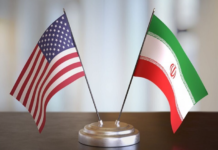



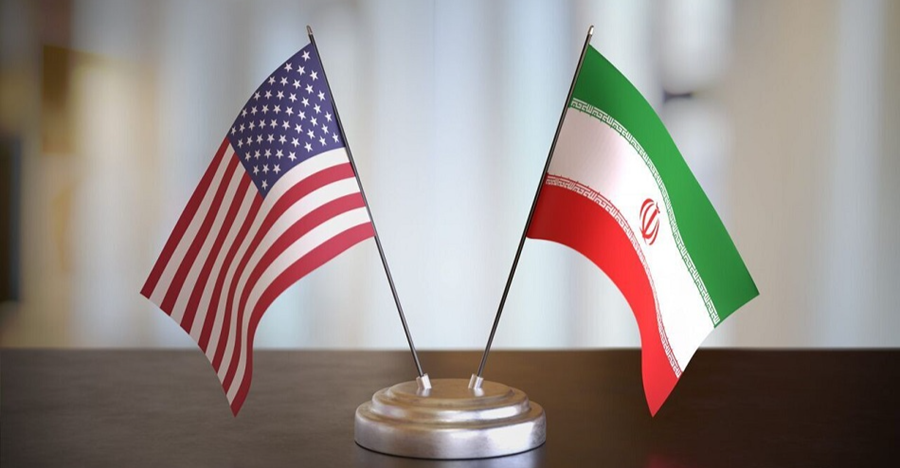

Pokhara, 3 April | The ongoing military confrontation between the United States and Iran is increasingly being viewed as a turning point in global geopolitics, raising serious questions about the durability of long-standing power structures. Initially projected as a swift and decisive operation, the conflict has now entered its second month without a clear outcome, challenging the credibility of the US military and leadership under Donald Trump.
Early claims by the United States and its ally Israel suggested that Iran’s military and political infrastructure could be dismantled within hours. However, the prolonged nature of the conflict and Iran’s continued resistance have undermined those assertions. Analysts now argue that the situation reflects a deeper strategic miscalculation rather than a temporary battlefield setback.
Israel’s role in the conflict has also drawn scrutiny. While it initially adopted an aggressive stance against Iran, recent developments suggest a strategic shift toward indirect engagement. Observers claim that Israel is relying heavily on US military involvement while refraining from committing its own ground forces. This has led to growing criticism that the burden of the conflict is being disproportionately borne by American troops.
Another critical dimension of the conflict lies in the apparent limitations of US military technology. Reports indicate that Iran’s ballistic missiles and drone strikes have managed to penetrate advanced American air defense systems, causing damage to key installations. Notably, military bases in Saudi Arabia, including Prince Sultan Air Base, have reportedly suffered significant losses. These incidents have raised doubts about the effectiveness of US air superiority, a cornerstone of its global military dominance.
The conflict has also exposed deep fractures within the NATO alliance. Several European nations have distanced themselves from the US-led military efforts. Spain has reportedly restricted the use of its territory for military operations, while France has denied access to its airspace for US aircraft. Italy has declined to provide logistical support, citing humanitarian concerns. Germany and Poland have similarly refused to participate, emphasizing national interests and security priorities over alliance obligations.
These developments have cast uncertainty over NATO’s foundational principle, particularly Article 5, which mandates collective defense among member states. British Prime Minister Keir Starmer has indicated a shift toward prioritizing European unity over automatic alignment with US policies, further highlighting the growing divide within Western alliances.
Meanwhile, the US administration has signaled a strategic recalibration of its global role. President Trump has made it clear that the United States will no longer act as the “world’s policeman,” particularly in securing global energy routes. The Strait of Hormuz, a critical chokepoint through which approximately 20–25 percent of the world’s oil supply passes, has become a focal point of concern. Despite the risks, the US appears less inclined to intervene directly, emphasizing domestic energy independence and urging other nations to take responsibility for their own security.
Economically, this stance has introduced new uncertainties in global energy markets, placing additional pressure on oil-dependent countries such as Saudi Arabia and the United Arab Emirates. The broader implication is a shift toward a more transactional global order, where security guarantees are no longer assumed but negotiated.
In conclusion, the US–Iran conflict is increasingly seen as more than just a bilateral military confrontation. It represents a broader transformation in the international system, signaling the gradual decline of the post-World War II unipolar order dominated by the United States. Iran’s ability to withstand sustained pressure despite long-standing sanctions suggests the emergence of a more multipolar world, where power is distributed among multiple actors rather than concentrated in a single superpower.