




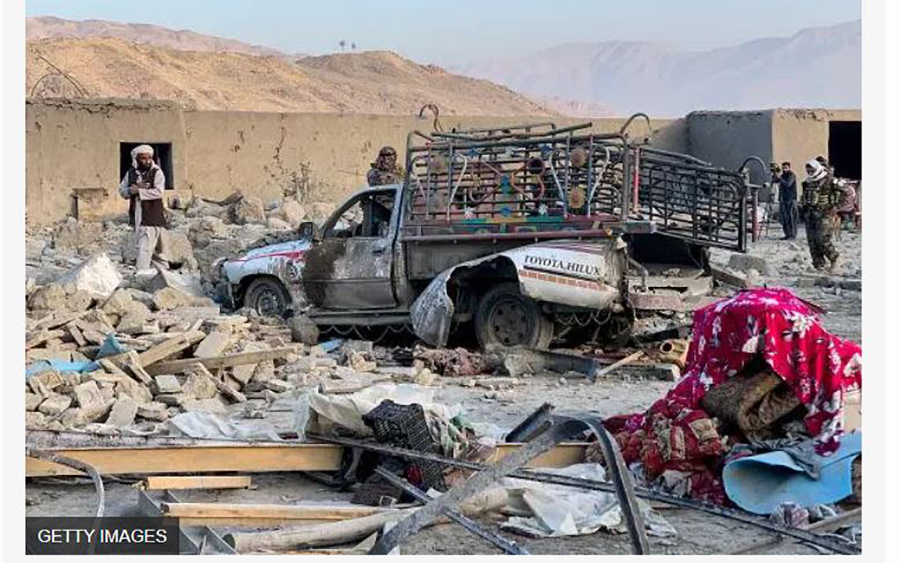

Pokhara, 23 February | Diplomatic and military tensions between Pakistan and Afghanistan have reached a critical flashpoint after the Pakistani Air Force conducted a series of airstrikes targeting what it described as seven terrorist hideouts and camps along the border regions. The strikes, which focused on the eastern province of Nangarhar and the southeastern province of Paktika, have reportedly resulted in dozens of civilian casualties. In Nangarhar, a direct hit on a residential house claimed the lives of 20 individuals, while another strike in Paktika reportedly targeted a religious school or madrasa. The Pakistani Ministry of Information and Broadcasting maintained that the operation was executed based on credible intelligence to neutralize militants belonging to the Tehrik-i-Taliban Pakistan (TTP) and the Islamic State Khorasan Province (ISKP). Pakistan justified the military action as a necessary retaliation following a surge in suicide bombings on its own soil, which it claims were orchestrated by groups operating from sanctuaries within Afghan territory.
Islamabad has long accused the Afghan Taliban leadership of failing to take decisive action against anti-Pakistan militants despite repeated diplomatic requests. In a sharp rebuttal, the ruling Taliban government in Kabul condemned the airstrikes as a blatant violation of Afghanistan’s national sovereignty and territorial integrity. Taliban spokesperson Zabihullah Mujahid stated that the victims included women and children, emphasizing that targeting innocent civilians under the guise of counter-terrorism is unacceptable. Defense Ministry spokesperson Enayatullah Khwarizmi further warned that the Afghan military remains prepared to deliver a “planned response at an appropriate time” to safeguard its borders. Following the attacks, the Afghan Foreign Ministry summoned the Pakistani ambassador in Kabul to lodge a formal protest, asserting that Pakistan must bear full responsibility for any negative consequences arising from such provocative military incursions. This escalation marks a significant deterioration in cross-border relations, raising urgent concerns about the potential for further armed conflict and regional instability in the coming days.