
















In most schools across Nepal, computer science is a compulsory subject from Grades 2 to 12. A quick glance at the curriculum reveals that over 50 percent of the syllabus is dedicated to Microsoft Office (Word, Excel, PowerPoint). Yet, there is a glaring irony: after a decade of studying the same software, students graduate without the confidence to claim, “I am proficient in this.” When employers seek basic computer skills, candidates often hesitate. Why? Because while we have taught them the subject, we have failed to certify their skills against international standards.
Microsoft Office is no longer a niche requirement for IT professionals or engineers; it has become the oxygen of the modern workplace. From a front-desk receptionist to a doctor, lawyer, accountant, or corporate manager, these tools are indispensable for daily operations. In the context of Nepal, over 90 percent of the computer skill tests conducted by the Public Service Commission (Lok Sewa Aayog) for Kharidar, Nayab Subba, and Officer levels are based on Microsoft Office. Furthermore, 70 to 80 percent of administrative tasks in any government or private office rely heavily on this software ecosystem.
Despite its undeniable importance and the massive time investment in our academic curriculum, our focus remains stubbornly stuck on ‘theory’ and ‘typing speed’. Passing an internal school exam or acquiring a generic ‘Basic and Diploma’ certificate does not guarantee practical competence in a real-world working environment. There is a monumental difference between claiming, “I know how to use Word and Excel,” and stating, “I am a Microsoft Office Specialist (MOS), officially certified by Microsoft.” The former is a mere claim; the latter is a globally recognized proof of capability.
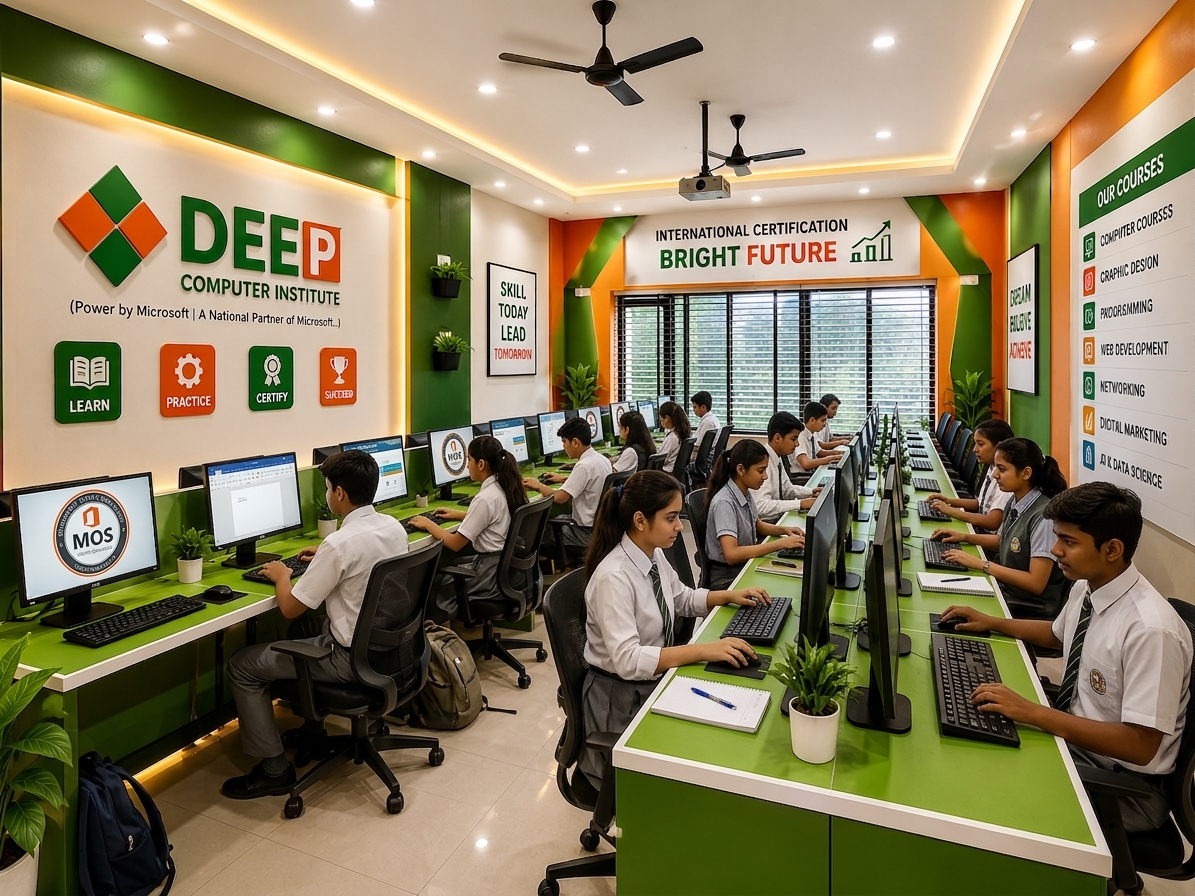
This raises a fundamental question: If we are dedicating years to teaching Microsoft software, why aren’t we validating those skills using Microsoft’s own official testing ecosystem? The need of the hour is to integrate students into Microsoft’s international curriculum, emphasize hands-on practice, and have them officially certified by the creators of the software themselves.
It is high time that schools, parents, and educational stakeholders dismantle the traditional framework of computer education. The culture of rote learning and paper-based IT exams must be replaced by a fully practical approach. By implementing a ‘Skill Management System’ that ensures continuous practice, need-based online support, and a series of rigorous ‘Mock Tests’ before the final official examination, we can produce results that are truly employment-ready. This structured pathway will allow students to graduate from high school as true experts in their field.
Times have changed. In today’s hyper-competitive global market, standard academic mark sheets are no longer enough; verifiable, certified skills are what truly matter. If we can ensure our students become ‘Microsoft Certified’ while still in school, they will not have to wander in search of employment tomorrow; employment will come looking for them. We cannot afford to delay this educational transformation any longer. Let the revolution of turning learning into certified skill begin within our own schools today.
(The author, Dinesh Lamichhane, is the Senior Editor of ‘Recent News Nepal and Bharkhar Khabar’ and the Director of ‘Deep IT and Educational Consultancy’, a National Educational Partner of Microsoft in Nepal.)