











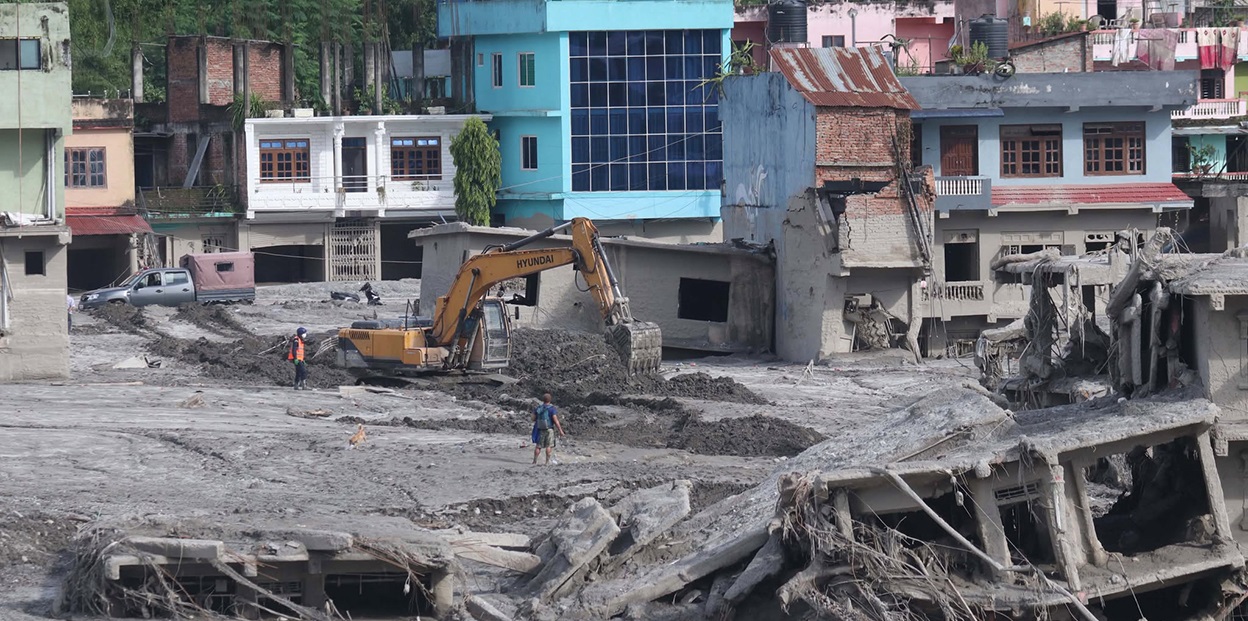

Pokhara, 16 September | The Nepal government has begun a detailed assessment of damage caused to the tourism sector by the recent floods in the Bhotekoshi and Trishuli corridors. The Ministry of Culture, Tourism and Civil Aviation is conducting a separate assessment covering tourist heritage sites, infrastructure, hotels and restaurants, tourism workers and other private-sector businesses affected by the disaster. Ministry Joint Secretary and spokesperson Jayanarayan Acharya said the assessment would be followed by the preparation of recovery programs and support packages based on the scale of the damage.
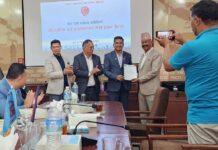
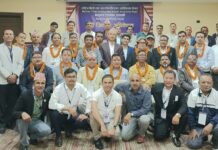
While the ministry is assessing the overall impact on the tourism sector, the Nepal Tourism Board is working with private-sector stakeholders to collect information on business-related losses. The floods have affected tourism in multiple ways, and authorities are now working to establish a reliable picture of the damage before implementing a broader recovery plan. A Quick Response Team has been formed under Tourism Board member Sahadev Dhamala to coordinate the response. A recent meeting involving the team and representatives of tourism-related organizations decided to advance work ranging from damage data collection to alternative roads, trekking routes, border access and international communication.
The authorities have decided to modify the government’s existing damage assessment form where necessary and collect information from hotels, restaurants and other tourism service providers in the affected districts. The Ministry of Tourism, Department of Tourism and Nepal Tourism Board will coordinate to prepare a “Tourism Recovery Cycle” for the affected destinations. Stakeholders have also called for diplomatic initiatives to establish an alternative border route between Nepal and China for Kailash–Mansarovar travel. The measure is intended to reduce the potential impact of the disaster on the pilgrimage and tourism movement in the region.
Plans are also being developed to construct Bailey bridges at necessary locations so that trekking in the Langtang area can resume during the current season. Authorities are preparing a map of an alternative road route to Dhunche in Rasuwa and will collect regular information about road conditions from the traffic police and tourist police. The Nepal Tourism Board is expected to disseminate verified updates through its social media platforms so that tourists can make travel decisions based on reliable information.
Stakeholders have also emphasized the need to communicate that destinations outside the flood-affected areas remain operational and safe for tourism. The government and tourism authorities plan to coordinate with international tourism organizations, including the UN World Tourism Organization and PATA, to provide accurate information about Nepal’s tourism situation. Efforts will also be made to communicate with representatives of international media based in Nepal.
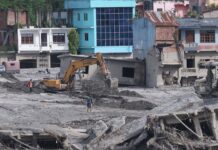
Preliminary figures indicate that the floods have caused extensive physical and economic damage to the tourism industry. Tourism Minister Khadgaraj Paudel told a parliamentary committee that preliminary estimates put the damage to the tourism sector at more than Rs 50 billion. According to the information presented, 142 hotels were swept away, 57 restaurants were damaged and 141 vehicles were affected. Several trekking routes leading to Langtang, Gosainkunda, Parvati Kunda and Nathali have also suffered damage. Monuments, parks and religious heritage sites have likewise been affected.
The Department of Tourism has reported that 607 tourists from 37 countries remain missing following the flood of Bhadra 10. The largest number are Indian nationals, with 189 reported missing. Missing tourists also include nationals of the United States, Ukraine, China, Australia, the United Kingdom and Canada. A comprehensive assessment of casualties among tourism workers and business operators is still underway.
Acharya said tourism recovery cannot be the responsibility of the government alone. According to him, the ministry will focus on infrastructure and creating an enabling environment, while the Nepal Tourism Board and private sector will take the lead in tourism recovery activities. Tourism Minister Paudel has also said the government is working to establish a welfare fund for affected tourism workers. He has proposed viewing the Bhotekoshi disaster through the broader lens of climate change and developing Rasuwa as a long-term “climate heritage” destination.
Nepal has previously launched tourism recovery campaigns following major disruptions. After the 2015 earthquake, the Tourism Board promoted domestic tourism through the “Ghumniphir Year 2073” campaign. Stakeholders are now calling for a similar focus on accurate information and recovery promotion following the latest floods. Hotel Association Nepal President Binayak Shah said international visitors may have received the impression that the entire country is unsafe following the Bhotekoshi floods, with cancellations of advance bookings being reported as the main tourist season approaches. He has called for an effective recovery and communication campaign to address the situation.