














Pokhara, 10 June |
Nepal’s push toward digital governance has gained momentum with several government agencies launching new mobile applications aimed at making public services more accessible and efficient. While authorities describe these initiatives as important steps toward improving service delivery, the growing number of ministry-specific applications has also sparked debate over whether the government’s broader vision of a unified digital platform is being implemented consistently.
The latest addition to Nepal’s digital service ecosystem is the “Mero Kitta” mobile application, launched by the Department of Survey. The application was officially introduced in the presence of Minister for Land Management, Cooperatives and Federal Affairs and General Administration Pratibha Rawal. According to the department, the application allows citizens to apply online for services related to land maps, field books, plot registers, and field delineation. Users can also track the status of their applications through a one-time password system and make revenue payments through digital platforms such as eSewa, Khalti, and Connect IPS. Officials believe the service will reduce the need for citizens to visit government offices in person and will improve transparency and efficiency.
Earlier, the Ministry of Foreign Affairs introduced the “MOFA Mitra” mobile application through the Department of Consular Services. Designed primarily for Nepali citizens living abroad, the application enables users to submit complaints, seek assistance, and request rescue or consular support directly from Nepali diplomatic missions. During the launch, Foreign Minister Shishir Khanal stated that the platform was intended to provide quicker and more accessible services to Nepalis facing difficulties overseas.
The education sector has also joined Nepal’s digital transformation efforts. The Center for Education and Human Resource Development has launched “Sikai Chautari,” a digital learning platform that is currently in a developmental phase. The application provides access to curriculum-based textbooks, educational videos, quizzes, and interactive learning materials for students, teachers, and trainers. Authorities say the platform has been designed to function even in areas with limited internet connectivity and will be expanded further as development continues.
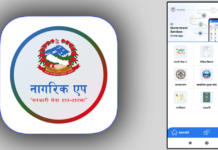
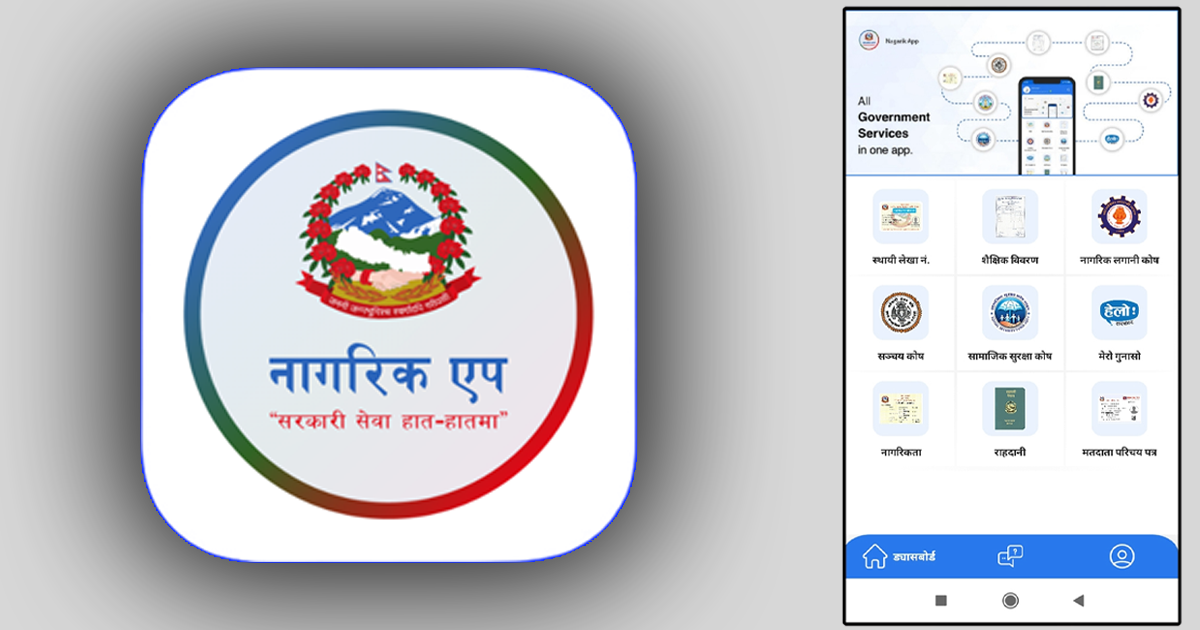
Despite these developments, the government has repeatedly emphasized its intention to transform the Citizen App into a comprehensive “super app” capable of providing access to a wide range of public services through a single platform. Government policy documents and budget announcements have highlighted plans to integrate at least one hundred public services into the Citizen App and establish a one-window digital service system supported by interoperable government databases.
Technology experts, however, argue that the current trend of individual ministries developing separate applications appears inconsistent with the objective of building a unified digital ecosystem. They suggest that Nepal should adopt an Enterprise Resource Planning (ERP) model, which would integrate various government services into a single interoperable platform. According to experts, such a model could reduce duplication of resources, lower operational costs, improve productivity, and provide a more seamless experience for citizens.
As Nepal continues to expand its digital infrastructure, the debate now centers on whether separate applications should continue to be developed or whether greater emphasis should be placed on building a fully integrated national digital platform. Observers believe that achieving interoperability and long-term coordination among government systems will be critical to ensuring efficient and citizen-friendly digital governance in the future.