




Pokhara, 9 September | The CPN-UML has described the events of Bhadra 23 and 24 last year as a serious attack on Nepal’s democracy, national economy and the fundamental pillars of the state. Issuing a statement to mark the first anniversary of the Bhadra 24 incident, the party paid tribute to young people who lost their lives during the previous day’s protest and to police personnel killed while performing their duties. The UML also wished a speedy recovery to those injured and expressed support for political and social figures and businesspeople involved in rebuilding efforts following the destruction.
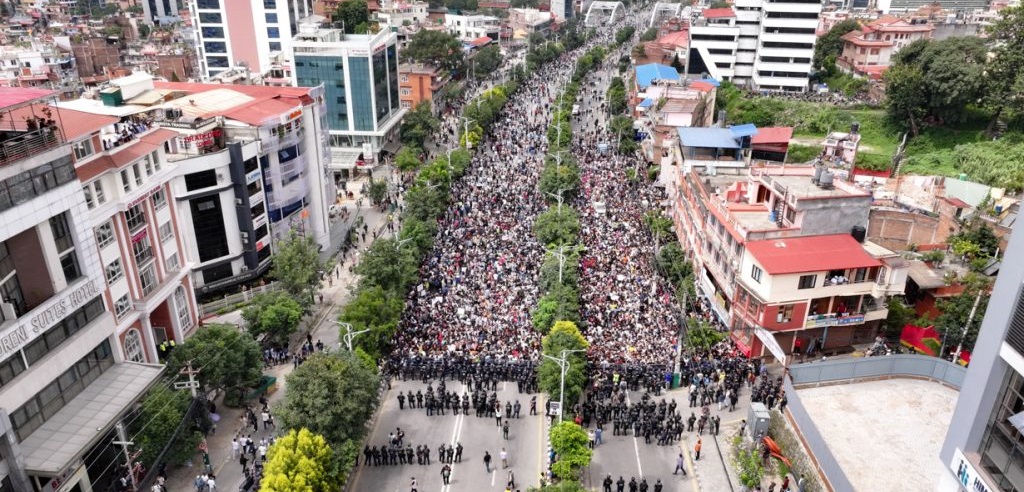
The party said it is natural in a democracy for citizens to present their expectations, grievances and demands before the government. It noted that Nepal’s Constitution guarantees freedom of speech and expression, the right to peaceful assembly and the right to protest through democratic means. However, the UML alleged that a peaceful youth demonstration held last year over issues including unrestricted access to social media and good governance was infiltrated by criminal groups and subsequently turned into an uncontrolled and violent confrontation.
According to the party, the organizers announced the suspension of the demonstration after the situation became chaotic, but groups that had allegedly infiltrated the protest encouraged young people to move toward and attack the federal parliament building while using them as human shields. The UML expressed sorrow over the deaths of 19 young people during police use of force to control the escalating crowd. It also recalled that the government subsequently decided to establish a judicial investigation commission, lift the temporary restriction imposed on social media, provide free treatment to the injured and compensate victims’ families. The party also noted that the then home minister resigned, taking moral responsibility for the incident.
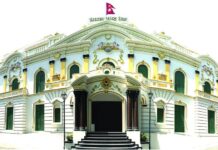
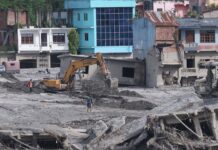
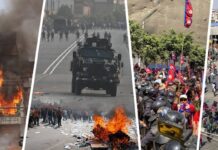
The UML described the arson, vandalism and attacks on the President’s Office, Prime Minister’s residence, Singha Durbar, Parliament building, Supreme Court, political party offices, public monuments and public and private property on Bhadra 24 as a planned attack on democracy. It argued that the violence was not merely an emotional reaction to the deaths of young protesters a day earlier, but alleged that it represented a broader plan to reverse Nepal’s democratic and constitutional course and push the country toward authoritarianism, disorder and geopolitical conflict.
The party has called for a thorough investigation into how a protest that had been permitted as peaceful became violent and who was responsible for the escalation. It also questioned the withholding of reports concerning the role of security agencies and alleged that investigations and prosecution against those accused of destruction had been halted. The UML said the public deserves an explanation as to why security agencies failed to prevent attacks on major state institutions and democratic structures.
The party emphasized that violence and disorder cannot be accepted as legitimate means of democratic change. It called for an end to impunity and urged authorities to hold those responsible for the destruction accountable. The UML also stressed that changes of government must take place only through the constitutional process and that political disputes should be resolved through peaceful and democratic means.
In its statement, the UML maintained that the concerns, expectations and intentions of Gen Z youths were legitimate and positive, while claiming that young people themselves were not responsible for the violence and destruction carried out in the name of the Gen Z uprising. The party argued that other forces benefited from the unrest and that their alleged role had contributed to growing frustration among young people. It appealed to patriotic, democratic, progressive and left-wing forces and individuals to remain active in protecting democracy, the Constitution, national interests, national dignity and peace, while calling for cooperation among all concerned political and social forces.