











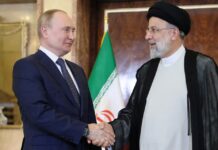

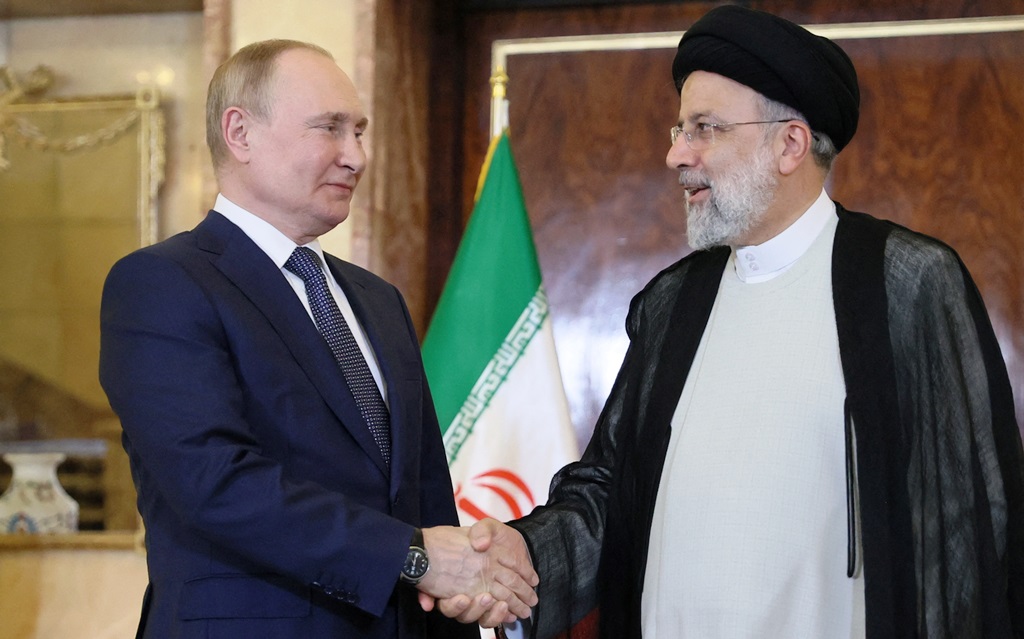

Pokhara, 3 May | Global geopolitics is undergoing a profound transformation, and at the center of this shift lies the deepening strategic relationship between Iran and Russia. Recent developments indicate that the cooperation between these two nations has evolved beyond conventional diplomacy into a comprehensive, multidimensional alliance. The high-level meeting between Iranian Foreign Minister Abbas Araghchi and Russian President Vladimir Putin, which lasted over ninety minutes, has drawn significant attention from analysts and policymakers worldwide. The discussions reportedly covered not only bilateral ties but also broader issues such as global power balance, U.S. influence, Middle Eastern stability, and potential conflict scenarios.
One of the most striking aspects of this engagement is Russia’s apparent alignment of Iran’s security concerns with its own national interests. This marks a notable departure from traditional diplomatic norms and signals the emergence of a deeper strategic unity. Amid increasing pressure from the United States and its allies, Russia’s support for Iran is playing a critical role in reshaping the balance of power in the Middle East. Putin’s open criticism of U.S. policies and his indication of possible military assistance to Iran in the event of conflict highlight a new phase in global strategic alignments.
The Iran–Russia partnership extends well beyond military cooperation. Economic and energy dimensions have become equally significant. Russia, facing extensive Western sanctions, is leveraging its ties with Iran to stabilize its economy and counter European pressure. Simultaneously, Iran is strengthening its energy exports and diversifying its economic partnerships, particularly with Russia and China. This collaboration is effectively mitigating the impact of U.S.-imposed economic sanctions and creating alternative economic networks.
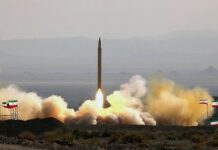
The strategies employed by the United States and Israel to contain Iran appear increasingly ineffective. A key factor behind this shift is Iran’s rapid advancement in military capabilities, supported by its alliances with Russia and China. Iran has made notable progress in drone technology, missile systems, and cyber warfare capabilities. These advancements are challenging traditional military doctrines and forcing the United States to reconsider its strategic approach in the region.
China’s role in this evolving dynamic cannot be overlooked. The growing trilateral cooperation between Iran, Russia, and China represents a significant challenge to the long-standing unipolar global order dominated by the United States. For the first time in modern history, these three powers are not only engaging in economic partnerships but are also coordinating militarily and strategically. This marks a decisive shift toward a multipolar world order.
U.S. defense institutions, including the Pentagon, have acknowledged the seriousness of this development. Reports suggest that American military bases in the Middle East are facing increasing risks. Russia’s satellite surveillance capabilities, combined with China’s military support, have significantly enhanced Iran’s operational capacity. This has complicated the strategic landscape and increased the potential costs of any military engagement.
For the United States, the current situation presents a complex dilemma. Direct military action against Iran could escalate into a broader confrontation involving Russia and China. Such a scenario would likely extend beyond a regional conflict and could trigger a global crisis. The economic repercussions would also be severe, potentially leading to a worldwide recession and energy shortages.
Iran’s strategy of strategic patience has also proven to be a critical factor. Instead of rushing into conflict or negotiations, Iran appears to be leveraging time as a strategic asset. Tehran’s leadership believes that internal political dynamics in the United States, particularly election cycles, limit Washington’s ability to sustain prolonged military engagements. As a result, Iran is adopting a “wait and watch” approach while strengthening its position.
Control over the Strait of Hormuz remains another key element in this geopolitical equation. As one of the world’s most vital energy transit routes, Iran’s influence over this region provides it with significant leverage. Any disruption in this corridor could lead to a global energy crisis, placing additional pressure on the United States and its allies.
Within the U.S. administration, there appears to be a lack of consensus on how to address the situation. Differences among policymakers and security advisors have complicated decision-making processes. The debate over whether to engage diplomatically with Iran or adopt a more aggressive stance reflects broader uncertainties in U.S. foreign policy. This internal division is further weakening America’s global leadership position.
In conclusion, the evolving relationship between Iran and Russia is having far-reaching implications for global geopolitics. It is not only altering the balance of power in the Middle East but also redefining the structure of the international system. The United States now faces a critical juncture where it must decide whether to maintain its traditional dominance or adapt to a new multipolar reality. The direction that global politics will take in the coming years will largely depend on how these competing forces navigate this complex and rapidly changing landscape.