

















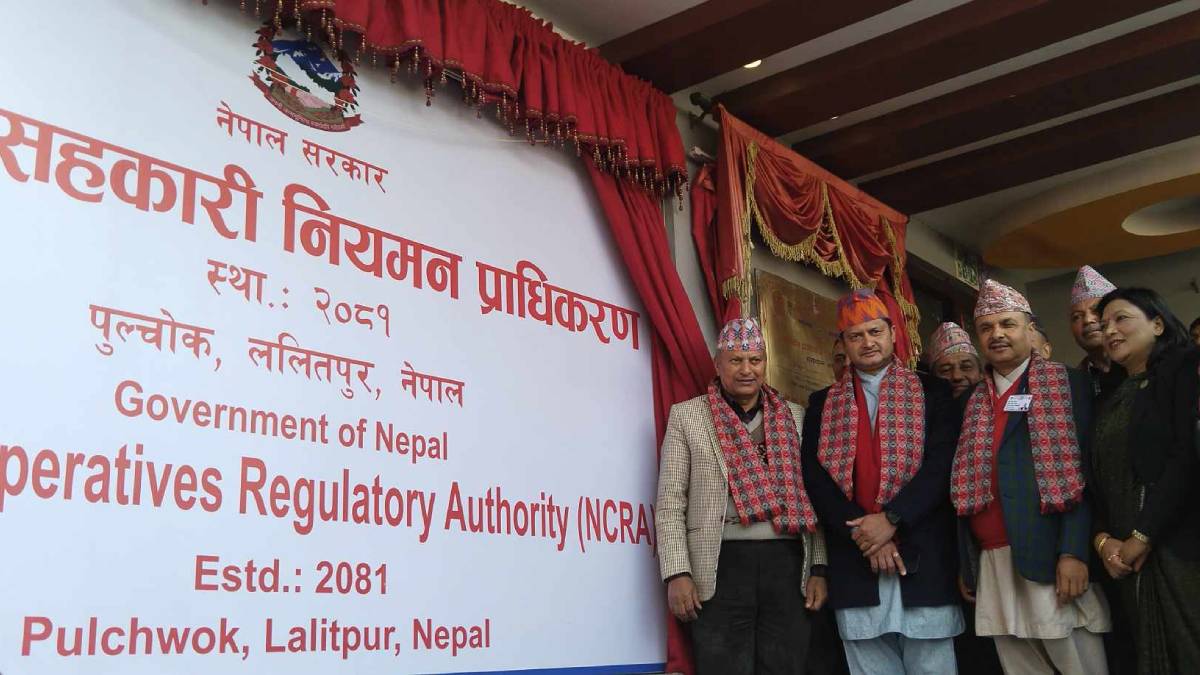

Pokhara, 11 April | The National Cooperative Authority’s call for mandatory registration of savings and credit cooperatives has received a weak response, raising serious concerns about regulatory compliance and governance in Nepal’s cooperative sector. Out of an estimated 32,000 cooperatives operating across the country, only 2,262 have completed registration within the stipulated deadline, highlighting a significant gap in regulatory acceptance.
The authority was established last year following amendments to the Cooperative Act 2074, with the aim of improving transparency, accountability, and oversight in the sector. According to the revised provisions, all cooperatives engaged in savings and credit transactions were required to register with the authority or a designated body within one year. This requirement officially came into effect on March 18, 2026, with a final deadline set for April 16.
Despite multiple public notices issued by the authority, including three rounds of formal announcements, the response from cooperatives has remained limited. Director Keshav Bhattarai stated that although around 11,755 cooperatives submitted applications, only a fraction completed the full process and obtained registration. This indicates reluctance among many institutions to come under formal regulatory oversight.
Stakeholders believe that many cooperatives are hesitant to register due to fears that their financial practices may be scrutinized, potentially exposing irregularities or lack of transparency. Others point to confusion arising from the presence of multiple regulatory bodies, including federal, provincial, and local authorities, as well as the Department of Cooperatives, which may have diluted the perceived importance of the new authority.
Former secretary Gopinath Mainali has argued that longstanding issues within the cooperative sector, including resistance to legal compliance and political influence, have contributed to the current situation. He noted that some cooperatives operate with a mindset that allows selective adherence to laws, undermining the effectiveness of regulatory frameworks.
In response, the National Cooperative Authority has announced that cooperatives failing to register within the deadline may face closure of their financial operations. Additionally, the authority has initiated communication with the concerned ministry to amend the Cooperative Act and introduce measures to facilitate better compliance.
The authority has also stated that it will complete the licensing process for registered cooperatives by mid-May, while urging others still in the process to finalize their documentation. The current scenario underscores the urgent need for stronger enforcement mechanisms to ensure a transparent and accountable cooperative system in Nepal.