













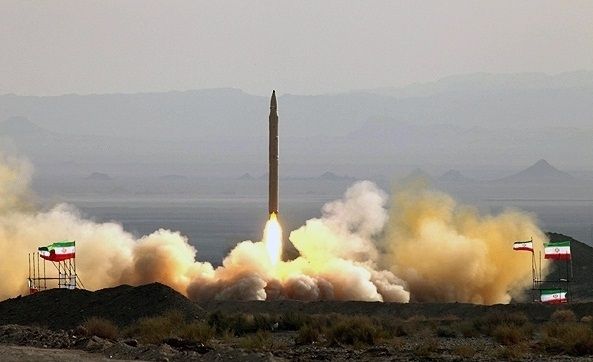

A widely cited principle in international relations suggests that when all avenues of diplomacy are exhausted, weapons begin to speak. The current state of relations between Iran and the United States appears to be approaching precisely such a critical juncture. Recent developments indicate that prolonged diplomatic deadlock, compounded by economic pressure and strategic mistrust, has pushed both nations toward a dangerous phase where military signaling and nuclear posturing are increasingly replacing dialogue.
The roots of the present crisis can be traced back to the United States’ withdrawal from the 2015 nuclear agreement under former President Donald Trump. Labeling the deal as “the worst in history,” the Trump administration initiated a policy of “maximum pressure” aimed at crippling Iran’s economy. This strategy focused heavily on reducing Iran’s oil exports to near zero, isolating its financial system, and imposing stringent sanctions across multiple sectors. While these measures initially strained Iran’s economy, they also contributed to a shift in Tehran’s strategic thinking.
Iran has recently signaled a significant transformation in its nuclear policy. Indications of a possible withdrawal from the Nuclear Non-Proliferation Treaty (NPT) and efforts to enrich uranium up to 90 percent have raised serious concerns within the international community. Technically, uranium enriched to such levels is considered weapons-grade, bringing Iran dangerously close to achieving nuclear breakout capability. Iranian officials have consistently framed these actions as an exercise of sovereign rights, rejecting external interference.
Domestic factors have also played a crucial role in shaping Iran’s evolving stance. Rising public anger, coupled with perceived external threats and attacks on key figures and infrastructure, has intensified pressure on the government to adopt a more assertive policy. A growing segment of the Iranian population appears to support the idea of pursuing a “North Korea-style” nuclear deterrent. The belief that nuclear capability ensures national security and compels respect from global powers has gained traction.
The concept of deterrence lies at the heart of Iran’s strategy. Military analysts argue that a credible deterrent prevents adversaries from initiating conflict by raising the potential cost of aggression to unacceptable levels. For Iran, developing nuclear capability is increasingly seen not as a tool for war but as a mechanism to prevent it. By signaling its ability to inflict severe retaliation, Tehran aims to establish a balance of power in a region dominated by nuclear-armed and militarily superior adversaries.
On the American side, strategic ambiguity has become evident. While maintaining economic pressure, the United States has shown reluctance to engage in direct military conflict. This dual approach reflects both domestic political considerations and the risks associated with a broader regional war. For Donald Trump, securing a new nuclear agreement with Iran represents not only a policy objective but also a matter of personal political legacy. He seeks a deal that can be presented as superior to the one negotiated during Barack Obama’s presidency.
However, Iran has shown little willingness to concede to U.S. demands. Tehran has made it clear that meaningful negotiations cannot proceed unless sanctions are lifted and economic restrictions eased. This firm stance has further complicated diplomatic efforts. Both sides remain entrenched in their positions, reducing the likelihood of a negotiated resolution in the near term.
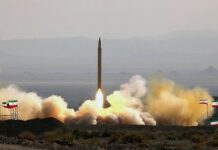
The military dimension of the crisis is equally concerning. Iran has significantly enhanced its missile capabilities, drone technology, and air defense systems. Its underground nuclear facilities and advanced centrifuge infrastructure indicate a high level of preparedness. These developments increase the risks associated with any potential military intervention and raise the stakes for all parties involved.
Should Iran proceed with a nuclear test, the implications would extend far beyond bilateral tensions with the United States. Such a move could trigger a regional arms race, prompting other Middle Eastern nations to pursue nuclear capabilities. This domino effect would pose a serious threat to global security and undermine decades of non-proliferation efforts.
For U.S. policymakers, the challenge lies in navigating a complex landscape where both action and inaction carry significant risks. Excessive pressure may push Iran further toward nuclearization, while concessions could weaken America’s global standing. Striking a balance between these competing priorities remains a formidable task.
In a broader context, the Iran–U.S. confrontation reflects deeper shifts in global power dynamics. Iran’s strategic patience, combined with its military advancements and evolving nuclear doctrine, suggests a deliberate effort to reshape regional and international order. Meanwhile, the United States faces the difficult task of adapting to these changes while preserving its influence.
As tensions continue to rise, the world watches closely. The coming weeks and months may prove active in determining whether diplomacy can be revived or whether the situation will escalate into a more dangerous and unpredictable phase. The outcome will not only shape the future of Iran–U.S. relations but also have far-reaching consequences for global stability.