



















Pokhara, 31 July, A land bill registered in the House of Representatives has ignited a fervent national debate as discussions continue within the parliamentary committee. The bill, almost identical to an ordinance previously introduced by the Oli government but withdrawn due to lack of support from Upendra Yadav’s party, has seen 99 amendment proposals registered against it, highlighting its contentious nature.
Key points of contention within the bill include provisions related to forest laws, land within National Park “protected areas,” and the controversial clause allowing the sale of excess land (beyond the prescribed land ceiling) for housing plots. Prominent figures, including Nepali Congress General Secretaries Gagan Thapa and Bishwa Prakash Sharma, have registered amendments expressing their strong disagreement. Opposition parties allege that the bill, masquerading as a solution for the landless, is primarily designed to benefit wealthy landlords and real estate developers. The case of Giribandhu Tea Estate in Jhapa is frequently cited as a prime example, with accusations that after the Supreme Court ruled excess land belonged to the government, landowners and dealers found new ways to reintroduce these provisions into the bill.
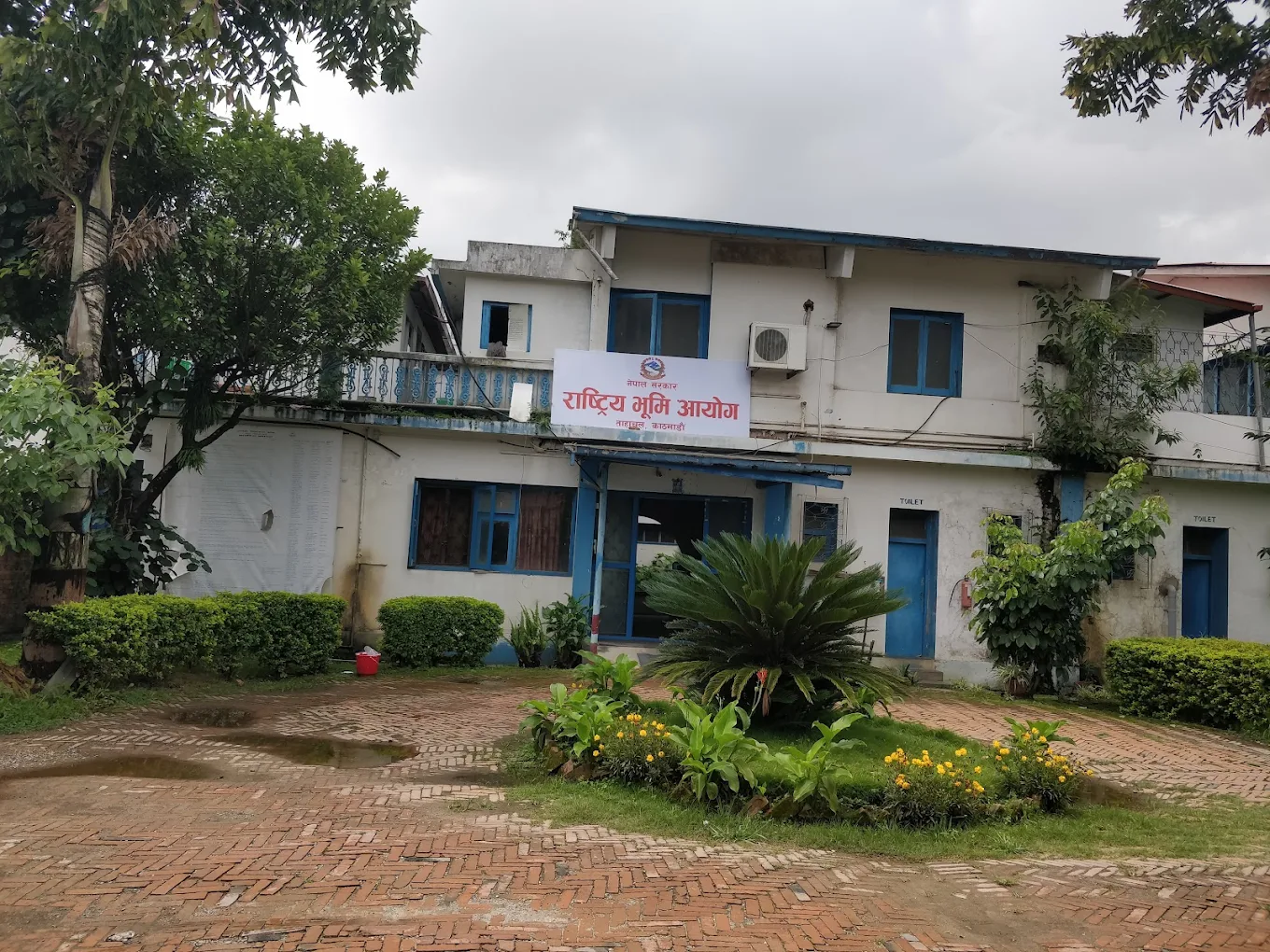
Despite constitutional guarantees ensuring the fundamental rights of landless Dalits to receive land once and adequate housing for homeless Dalits, these provisions remain largely unimplemented a decade after the constitution’s promulgation. While land commissions have been established repeatedly during this period, critics argue they have become political recruitment centers, tarnished by allegations of corruption. The opposition contends that the government’s focus has been on serving the interests of landlords and middlemen rather than genuinely addressing the plight of the poor and landless.
Although local levels are intended to play a crucial role in implementing this bill, the lack of coordination between the Kathmandu Metropolitan City and the Land Commission, coupled with Kathmandu Mayor Balendra Shah’s inconsistent approach, has hampered efforts to resolve the city’s squatter problem. While the Land Act mandates local bodies to collect land records, conduct surveys, and distribute land titles, interference from central government and political maneuvering have further complicated the issue.
Stakeholders emphasize the need for legal and policy stability, urging the government to cease frequent amendments to the Land Act. They advocate prioritizing the problems of landless Dalits, landless squatters, and unorganized settlers over the interests of landlords, and call for an end to the pervasive influence of middlemen. Concerns are growing that the bill’s attempt to amend forest and National Park-related laws could lead to the misuse of public land. There are growing calls for the government to withdraw the current bill and instead focus on reconstituting and restructuring the Land Commission to genuinely serve the landless population.