











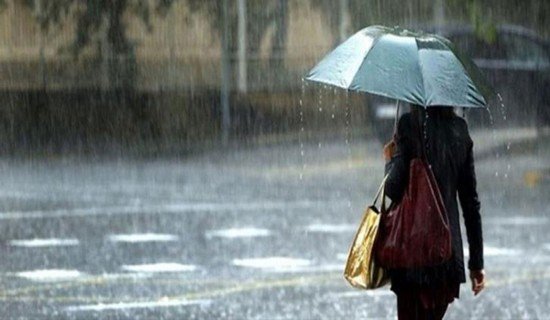

Pokhara, 28 January | Nepal is currently grappling with a severe winter drought as the country fails to receive adequate rainfall during the crucial months of December and January. According to data from the Department of Hydrology and Meteorology, the national average rainfall for the winter season typically stands at 59.8 mm. However, between December 1 and late January, the country recorded a mere 3.6 mm of rain, accounting for only 6.02 percent of the expected average. Meteorological records highlight a staggering zero rainfall in December, signaling a significant shift in traditional weather patterns. This lack of precipitation is not just a climate statistic but a looming threat to the country’s agriculture, hydropower, tourism, and public health sectors.
Madan Sigdel, an Associate Professor at the Central Department of Hydrology and Meteorology at Tribhuvan University, explains that while moisture from a cyclone in late October initially kept the soil damp, the ongoing dry spell has caused that moisture to evaporate completely. He warns that this imbalance in the water cycle and soil moisture will make the upcoming months of March and April—the pre-monsoon period—exceptionally difficult. The failure of the Western Disturbance system, which originates from the Mediterranean Sea, to reach Nepal with sufficient strength is the primary reason for this dryness. Experts note that for a healthy winter, the country needs at least four to five cycles of western winds, but this year, the system has remained weak and localized, mostly affecting only the Far-Western and Gandaki provinces.
The trend of “dry winters” has become increasingly frequent over the past few years. Statistics show that 2025 was recorded as the driest winter on record with only 12.30 mm of rain, and the years 2023 and 2024 followed a similar pattern of extreme dryness. Aside from the anomalies of 2020 and 2022, Nepal has consistently faced below-average winter precipitation this decade. This phenomenon is closely linked to global warming and climate change. Data from the European Union’s Copernicus Climate Change Service confirms that the last eleven years have been the warmest on record globally, with 2025 ranking as the third hottest year. In Nepal, this translates to “warmer days and warmer nights,” where even in the middle of winter, temperatures remain unseasonably high, reducing the traditional cold intensity.
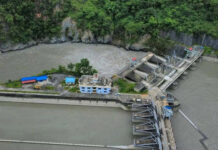
The multidimensional impact of this drought is alarming. In the agricultural sector, winter crops like wheat, barley, and seasonal vegetables are withering due to the lack of irrigation and rain. In the high hills and mountains, farmers are increasingly abandoning their land as water sources dry up. Furthermore, the absence of snow has left the Himalayas looking dark and rocky, threatening the trekking and mountaineering industry which is a backbone of Nepal’s tourism. The hydropower sector is also at risk, as the reduced flow in snow-fed rivers directly limits electricity generation, potentially leading to energy shortages. Additionally, the dry conditions have heightened the risk of forest fires and caused a spike in respiratory issues due to increased dust and pollution in the air.
Senior meteorologists and agricultural experts like Dr. Krishna Prasad Paudel emphasize the urgent need for climate adaptation strategies. They argue that the traditional “farming calendar” is no longer reliable because of the unpredictability of rainfall and rising temperatures. Nepal must now prioritize infrastructure that can withstand extreme weather and develop agricultural practices suited for a drier climate. While there is a slim hope for some precipitation before the winter season officially ends in mid-February, the current indicators suggest a challenging pre-monsoon season ahead. The shift toward more “hot years” and prolonged dry spells necessitates a fundamental change in how the nation manages its natural resources and plans for future food and energy security.