













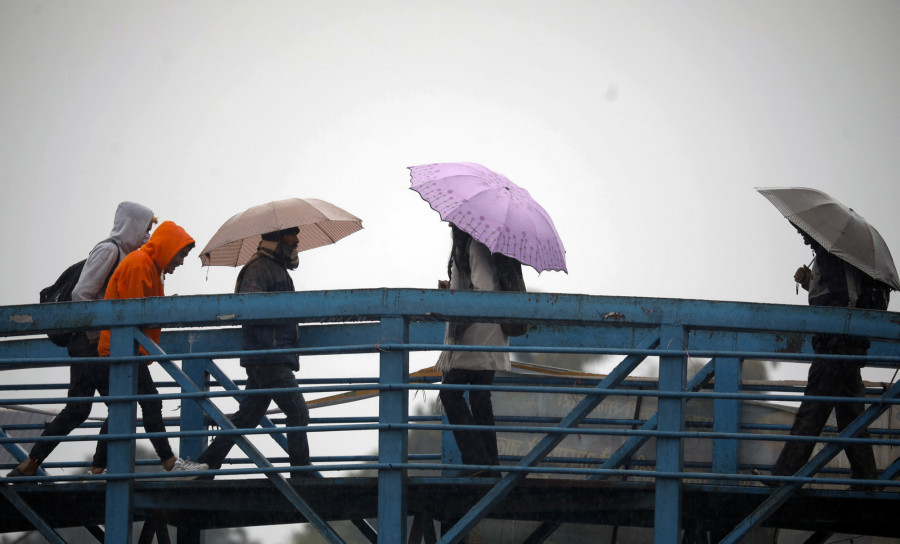

Pokhara, 8 May | Nepal’s Department of Hydrology and Meteorology has projected below-average rainfall and higher temperatures across most parts of the country during this year’s monsoon season. The department released its seasonal climate outlook based on assessments from global and regional climate forecasting centers under the World Meteorological Organization, findings from the South Asian Climate Outlook Forum (SASCOF), and the current status of El Niño and the Indian Ocean Dipole (IOD). According to meteorologist Sudarshan Humagain, the forecast covers the period from May 31 to September 30 and indicates a 35 to 65 percent probability of below-normal rainfall in many regions of Nepal.
The department stated that southern parts of Karnali Province, most areas of Lumbini Province, eastern Madhesh Province, and southern Koshi Province are likely to experience the most significant rainfall deficit. Similarly, many areas in Sudurpashchim Province, western Madhesh, and central Koshi are also expected to receive less rainfall than average. In contrast, northern parts of Karnali and Koshi Provinces may witness near-normal rainfall during the monsoon period. The forecast further suggests that both maximum and minimum temperatures across the country are likely to remain above average, increasing the chances of prolonged heat conditions throughout the season.
Climate experts say the evolving El Niño condition in the Pacific Ocean is one of the major factors influencing the weaker monsoon outlook for South Asia this year. El Niño refers to the warming of sea surface temperatures in the central and eastern Pacific Ocean, which often disrupts normal monsoon circulation. The department also noted that the Indian Ocean Dipole is currently in a neutral phase but may shift to a positive phase toward the end of the monsoon season. Disaster and climate expert Dr. Dharmaraj Upreti said rainfall may remain relatively normal until mid-June, but dry conditions could intensify afterward. He added that July, usually considered the peak monsoon month in Nepal, may receive less rainfall than usual this year. However, if the IOD turns positive in late September, monsoon activity could strengthen again around the Dashain and Tihar festival period.
Last year, the department had projected above-average rainfall, but many regions eventually recorded below-average precipitation. Heavy rainfall during the withdrawal phase of the monsoon in eastern Nepal had also caused significant loss of life and property. Officials believe this year’s forecast will help authorities and local communities prepare in advance for possible impacts on agriculture, water resources, public health, and disaster management.