











Pokhara, 6 April | Rising tensions between the United States and Iran have once again drawn global attention, as strong military rhetoric from U.S. President Donald Trump contrasts sharply with unfolding realities on the ground. Following the collapse of diplomatic efforts, Trump issued a series of escalating ultimatums to Iran, initially setting a 48-hour deadline, then extending it to five days and ultimately ten days. These warnings were accompanied by threats of severe military action, particularly in response to Iran’s alleged obstruction in the strategically vital Strait of Hormuz.
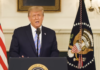
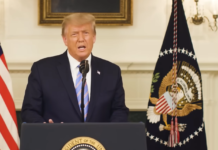
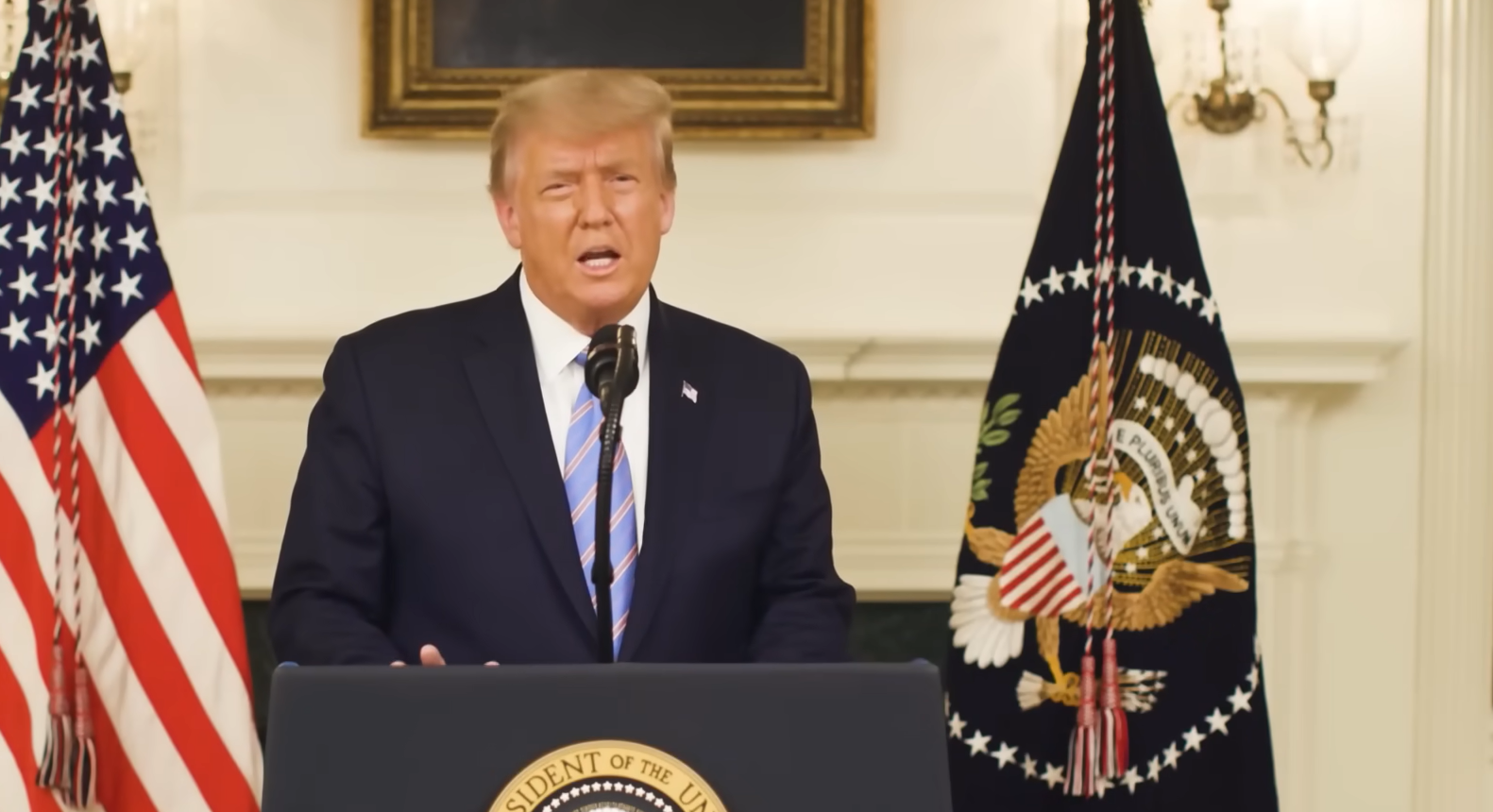
In a televised address, Trump declared a military campaign titled “Operation Epic Fury” as one of the most successful operations in human history. He claimed that the 32-day offensive had effectively dismantled Iran’s military infrastructure, asserting that the country no longer possessed functional missile systems or operational drones. Furthermore, Trump suggested that a regime change had already taken place in Iran, implying that the nation was now under significant American influence. However, these claims remain unverified and have been met with skepticism from independent analysts and observers.
Contrary to Trump’s statements, developments on the battlefield present a very different picture. Even as Trump announced victory from the White House, Iranian long-range missiles and suicide drones continued to target key locations, including the Israeli city of Tel Aviv. Simultaneously, Iranian-linked forces launched attacks on U.S. military installations across the Gulf region, including bases in Saudi Arabia, Bahrain, Qatar, and Kuwait. These incidents suggest that Iran’s military capabilities remain intact and operational, raising questions about the accuracy of U.S. claims.
Adding another layer of complexity, the involvement of Hezbollah has significantly escalated the conflict. The group reportedly deployed a powerful missile carrying a one-ton warhead, marking a notable advancement in its offensive capabilities. The missile allegedly targeted the highly sensitive Palmachim Airbase, a key Israeli military installation known for advanced aircraft operations and missile testing facilities. This development has intensified concerns within Israel, as even sophisticated defense systems such as the Iron Dome appear increasingly challenged.
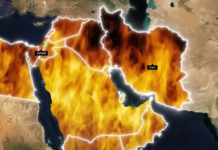
The broader implications of these events indicate that the conflict is no longer confined to a bilateral dispute between the United States and Iran. Instead, it is evolving into a multi-dimensional regional crisis involving several state and non-state actors. Iran’s military strategy, characterized by decentralization and extensive use of underground facilities, has made it resilient against conventional airstrikes. Reports suggest that critical assets are hidden within mountainous tunnels and fortified underground networks, limiting the effectiveness of aerial bombardments.
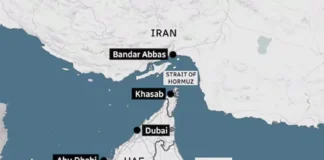
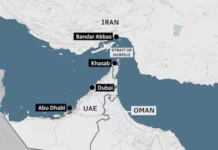
The situation in the Strait of Hormuz remains a focal point of contention. As one of the world’s most crucial oil transit routes, any disruption in this area has significant global economic implications. Iran has been accused of imposing heavy fees on vessels passing through the strait, a move widely criticized as a violation of international norms. In response, Trump suggested that nations dependent on oil shipments through the region should take responsibility for securing the route, a stance interpreted by some analysts as a sign of strategic hesitation or recalibration by the United States.
Military experts have begun drawing parallels between the current conflict and the Vietnam War. Similar to the Vietnam experience, the United States appears to rely heavily on technological superiority while underestimating the challenges posed by local terrain and unconventional warfare tactics. Iran’s ability to sustain prolonged resistance, combined with its warning of being prepared for a conflict lasting up to a century, underscores the potential for a protracted and costly engagement.
Trump’s assertion that the war could conclude within two to three weeks now appears increasingly unrealistic. Despite over a month of sustained military action, Iranian missile strikes and regional instability persist. This ongoing resistance highlights the possibility that U.S. assessments may have underestimated both the depth and adaptability of Iran’s defense mechanisms.
In conclusion, a significant gap exists between Trump’s declarations and the evolving ground reality. While the United States projects confidence through its military narrative, Iran’s continued resistance and the involvement of regional actors suggest a far more complex and enduring conflict. The situation remains fluid, with the potential to reshape geopolitical dynamics and impact global economic stability in the long term.