











Pokhara, 6 April |
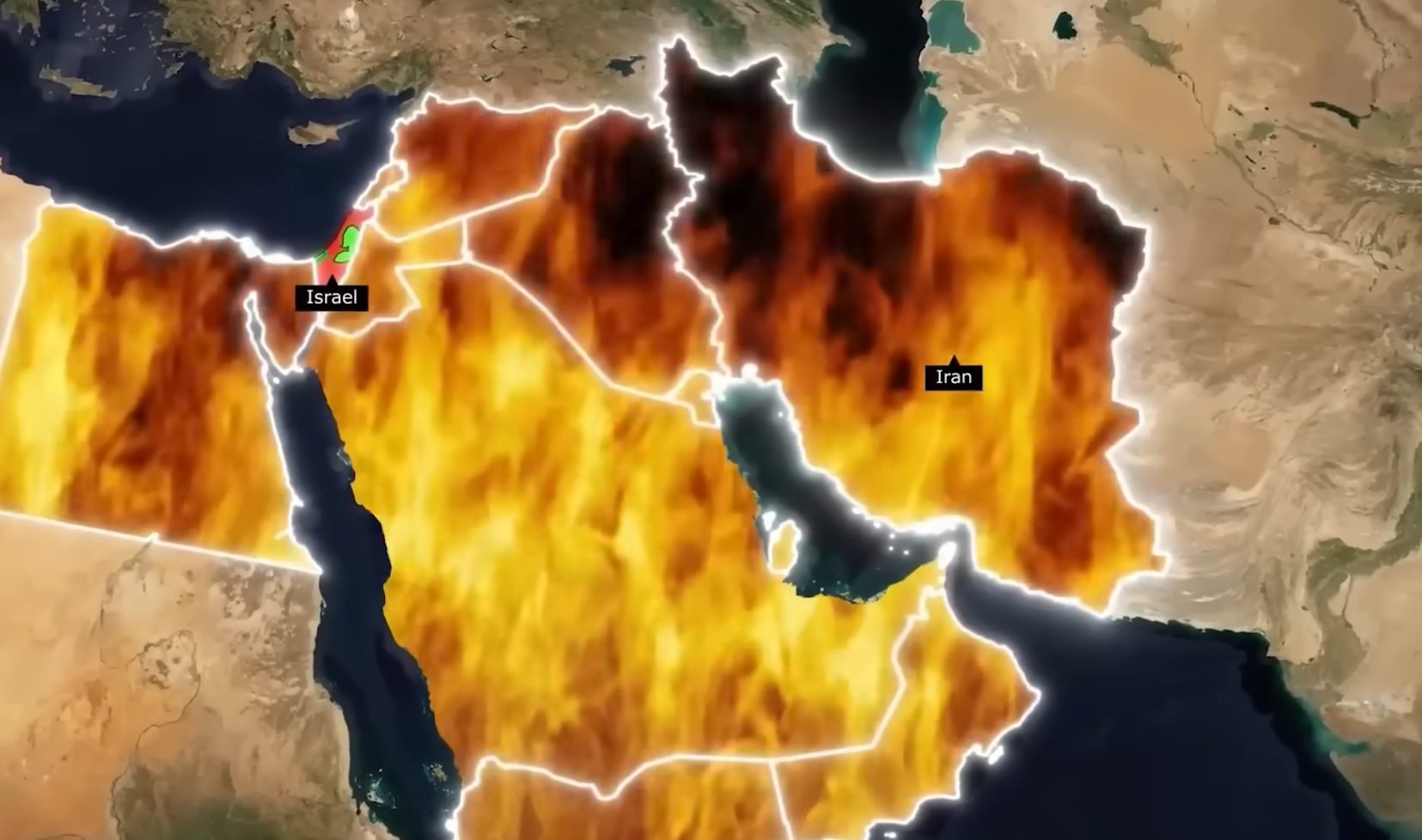
The Middle East appears to be standing on the brink of a potentially catastrophic conflict, as escalating tensions between the United States and Iran continue to intensify. Recent developments suggest that the region is increasingly resembling a volatile powder keg, where even a minor miscalculation could ignite a large-scale war with global consequences. Strong rhetoric from U.S. President Donald Trump has further heightened these concerns, as he openly threatened to push Iran back into the “Stone Age” by targeting its critical infrastructure, including power plants and bridges.
These statements have significantly altered the geopolitical dynamics of the Middle East, where long-standing rivalries and strategic interests already create a fragile balance. Iran, in response, has not limited itself to verbal rebuttals but has instead demonstrated its capabilities through a series of military actions across the region.
The Islamic Revolutionary Guard Corps has reportedly launched the third phase of its military operations, targeting both Israeli territory and U.S. strategic installations. In Israel, waves of missiles and drones have overwhelmed defense systems, exposing vulnerabilities even in advanced technologies such as the Iron Dome. The scale and intensity of these attacks have resulted in significant physical destruction and raised concerns about civilian safety.
Strategic airbases, including Nevatim and Ben Gurion, have reportedly been targeted, affecting Israel’s operational military capabilities. These attacks indicate a shift from isolated incidents to a broader and more coordinated military confrontation. Meanwhile, Iran has expanded its focus beyond Israel to include U.S. military assets across the region.
One of the most significant incidents involves the attack on Al Azraq Airbase, a major U.S. military installation in Jordan. This base plays a crucial role in American operations in West Asia, housing advanced fighter jets and surveillance systems. Damage to communication facilities and hangars at this site underscores the growing risks faced by U.S. forces in the region.
The conflict has also extended into economic and digital domains. Reports of an attack on a data center operated by Amazon in Bahrain highlight the vulnerability of critical infrastructure. Such facilities are not only essential for commercial operations but also support military communication networks, making them strategic targets.
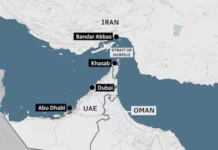
In addition, industrial zones and energy facilities across Bahrain and Abu Dhabi have reportedly come under attack, signaling a deliberate attempt to disrupt economic stability. These developments suggest that the conflict is evolving into a multidimensional confrontation involving military, economic, and technological warfare.
The involvement of Hezbollah has further complicated the situation. Operating from Lebanon, the group has intensified its attacks using advanced drone technology capable of targeting high-value military assets. A reported strike on the Palmachim Airbase demonstrates the expanding reach and sophistication of non-state actors in the conflict.
Accusations have also emerged regarding the use of controversial military tactics by U.S. and Israeli forces. In the Iranian city of Karaj, a strategic bridge was reportedly targeted in a “double tap” strike, where a second attack followed shortly after the first, potentially endangering rescue workers and civilians. Such actions have raised serious ethical and legal concerns under international humanitarian law.
In retaliation, Iran has reportedly issued a “hit list” of critical infrastructure across Gulf nations, including bridges, energy plants, and financial centers in countries such as Kuwait, Saudi Arabia, and Jordan. Iranian officials have warned that any use of these countries’ territories for attacks against Iran would result in proportional retaliation, further escalating regional tensions.
Another alarming dimension of the conflict involves nuclear strategy. Reports indicate that the United States has developed a plan to seize Iran’s enriched uranium stockpiles, estimated at around 450 kilograms. This plan allegedly involves precision airstrikes followed by ground operations by elite commandos. However, experts argue that such an operation would be extremely difficult to execute due to Iran’s strategy of dispersing nuclear materials across multiple secret locations.
Iran has reportedly fortified these sites with extensive military presence, deploying hundreds of thousands of troops to secure strategic areas. Additionally, the risk of radioactive contamination in the event of an attack poses a significant challenge, making any ground operation highly hazardous.
The broader geopolitical implications of this conflict are profound. Israel is seen by some analysts as pursuing its own strategic interests amid the chaos. There are suggestions that a weakened Iran and destabilized Gulf states could enhance Israel’s position as a dominant regional power.
As the situation continues to evolve, the Middle East stands at a critical juncture. The convergence of military escalation, economic disruption, and nuclear risk creates a highly volatile environment with far-reaching consequences. The absence of effective diplomatic engagement further increases the likelihood of a prolonged and destructive conflict.
In conclusion, the intensifying confrontation between the United States and Iran, coupled with the involvement of regional and non-state actors, has pushed the Gulf region closer to a major war. The stakes are extraordinarily high, not only for the countries directly involved but also for global stability and economic security. Without immediate and sustained diplomatic intervention, the risk of a large-scale conflict remains dangerously real.