







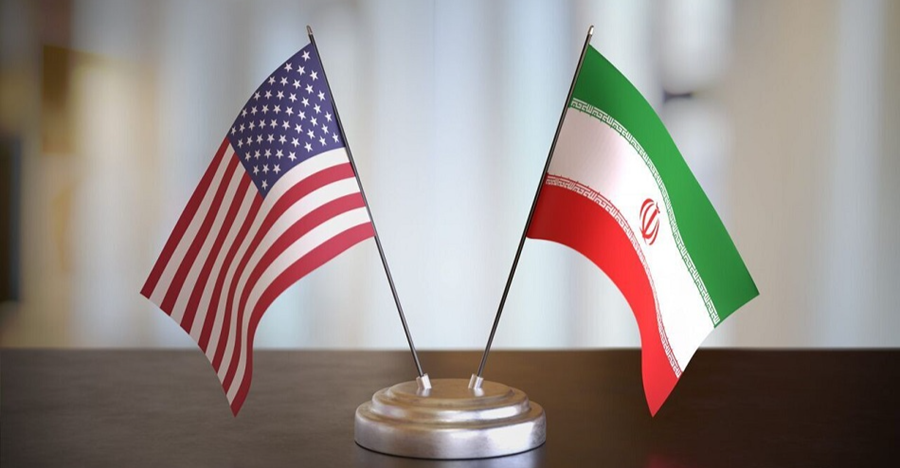

Pokhara, 11 April | High-stakes negotiations between the United States and Iran are set to begin in Islamabad on Saturday, with Pakistan playing a key mediating role in an effort to ease escalating tensions in West Asia. The talks come after both sides agreed to a two-week ceasefire following a period of intense conflict, raising cautious optimism about a potential diplomatic breakthrough.
US President Donald Trump has stated that his administration received a 10-point proposal from Iran, which he described as a “practical basis” for negotiations. However, Iranian Foreign Minister Abbas Araghchi has countered that the United States submitted a 15-point proposal, highlighting ongoing discrepancies between the two sides even before formal discussions begin.
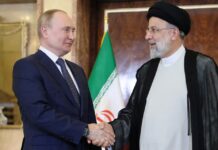
The US delegation is being led by Vice President JD Vance, supported by Special Envoy Steve Witkoff and senior advisor Jared Kushner. On the Iranian side, Parliament Speaker Mohammad Bagher Ghalibaf is heading the negotiating team. Pakistani authorities have assured strong security arrangements and have expressed confidence in facilitating a constructive dialogue between the two adversaries.
The negotiations are expected to focus on four major issues that have long defined tensions between the two countries. The first and most critical issue is Iran’s nuclear program. The United States has consistently accused Iran of advancing toward nuclear weapons capability, a claim Tehran denies, insisting that its uranium enrichment activities are solely for civilian purposes under international agreements. Recent military strikes by the US and its allies have reportedly damaged Iran’s nuclear infrastructure, but uncertainties remain regarding the extent of the impact and the status of enriched uranium reserves.
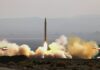
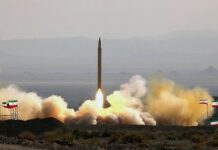
The second key issue involves Iran’s missile and drone capabilities. The US is pushing for strict limitations on Iran’s ballistic missile development and demands that Tehran halt military support to allied groups in the region. Iran’s response to these demands is expected to be a decisive factor in determining the outcome of the talks.
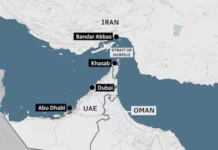
Another critical topic is the Strait of Hormuz, one of the world’s most vital energy transit routes. Tensions in the region have already disrupted global oil supply chains, contributing to rising energy prices. Iran has historically used its control over the strait as a strategic tool, and any agreement on its management could have significant global implications.
The fourth issue relates to the ongoing conflict in Lebanon. Iran has called for a broader ceasefire across multiple fronts, including Lebanon, where Israeli military operations continue. However, Israel has so far refused to extend the ceasefire to that region, adding complexity to the negotiations.
Despite optimism expressed by negotiators, skepticism persists within the international community. Analysts argue that conflicting narratives and unresolved details could hinder progress, making the Islamabad talks a critical test of diplomatic engagement in a volatile geopolitical landscape.