
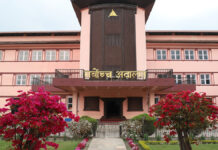










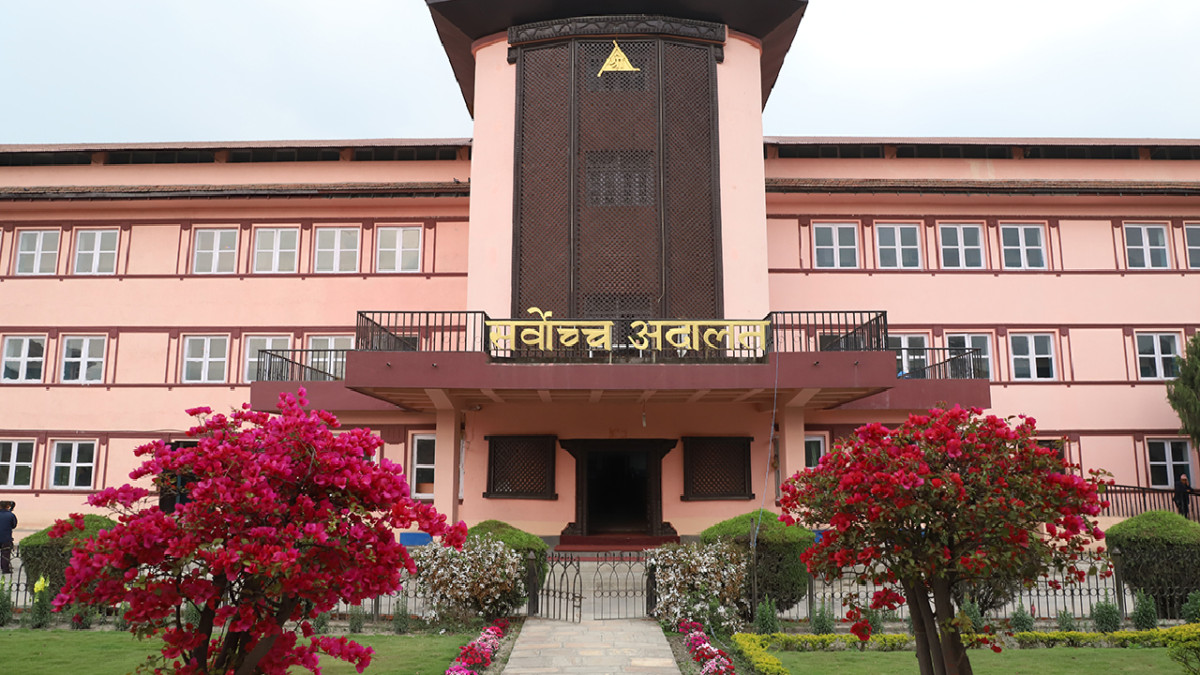

Pokhara, 8 May | Controversy has emerged in Nepal’s judicial sector after separate writ petitions challenging the Constitutional Council’s recommendation for the post of Chief Justice faced delays in registration at the Supreme Court. Senior Advocate Dinesh Tripathi, Advocate Bipin Dhakal, and Dr. Prem Silwal filed individual petitions claiming that the recommendation violated judicial seniority and constitutional principles. However, the Supreme Court administration reportedly delayed the registration process, stating that consultations among the chief registrar, registrar, and higher authorities were necessary before proceeding.
The petitioners have argued that the Constitutional Council’s decision appears unconstitutional at first glance and contradicts the established spirit of judicial independence and constitutional practice. The writ petitions seek an interim order to halt the implementation of the recommendation and stop the parliamentary hearing process until the constitutional validity of the decision is reviewed by the court. Advocate Dhakal further claimed that the Constitutional Council meeting was called without providing the mandatory 48-hour notice period, making the recommendation process legally questionable.
The Constitutional Council recently recommended Justice Dr. Manoj Kumar Sharma for the position of Chief Justice despite him being fourth in seniority among the eligible justices. Senior justices Sapana Pradhan Malla, Kumar Regmi, and Hari Prasad Phuyal are all ranked above Dr. Sharma in judicial seniority. This has triggered concerns among legal experts and members of the judiciary, as seniority and judicial tradition have long been considered important factors in appointments to the country’s highest judicial office.
The issue has sparked wider debate over transparency in constitutional appointments and the independence of Nepal’s judiciary. Legal observers say the delay in registering the petitions has further raised concerns regarding procedural fairness within the Supreme Court administration itself. The development is being closely watched by the legal community and political stakeholders, as the court’s next step could have a significant impact on judicial appointments and constitutional governance in Nepal.