

















Pokhara, 27 September | Concerns over food safety have intensified in Nepal as the festive shopping season gathers pace, following a series of market inspections that uncovered expired, contaminated and questionable food products being used in production and sold to consumers. The Department of Food Technology and Quality Control conducted inspections on September 22 and 24 and found serious food hygiene violations at several businesses in Kathmandu Valley. The findings are particularly significant ahead of Dashain and Tihar, when consumers routinely purchase sweets, Gundpak, Pustakari and other packaged food items to take to their villages or give to relatives as gifts. The inspection findings indicate that attractive packaging does not necessarily reflect the quality or safety of the food inside.
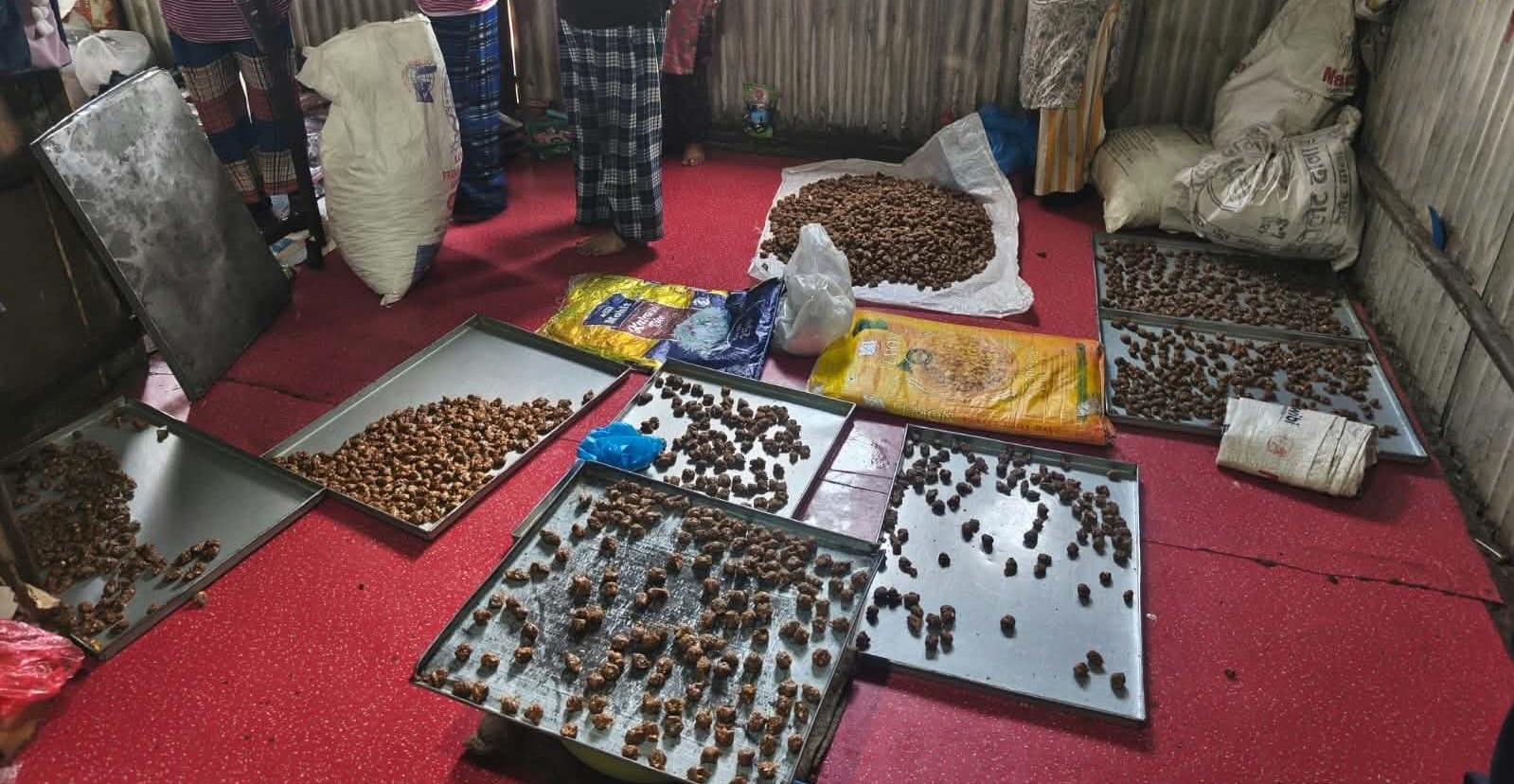
At Shri Krishna Pustakari and Gundpak Bhandar in Dhungeddha, Chandragiri Municipality-15, inspectors found that products labelled as containing ingredients such as khuwa, milk, sugar, coconut, dates, cashews and almonds were being prepared using a range of questionable and inedible materials. According to the department, the production process involved expired chiura, expired chocolates, open biscuit pieces, insect-infested roasted chickpeas and chickpea flour, skimmed milk powder, rice flour, insect-infested almonds and oats. Inspectors also found expired chocolates and other food products being prepared for repackaging with new labels before being sent to the market. The department seized 18 kilograms of expired chiura, 210 kilograms of expired chocolate, 100 kilograms of loose biscuit pieces, 220 kilograms of insect-infested roasted chickpeas, 274 kilograms of chickpea flour and seven kilograms of skimmed milk powder.
The inspection team also seized and destroyed around 100 kilograms of Gundpak and 535 kilograms of Pustakari prepared using the questionable materials, with the total value of the finished food products estimated at around Rs 260,000. The department said the business had also been operating without the required food licence and was sealed while further investigation continued. Another business in the same area, Bajrabarahi Bhandar, was found processing and packaging Pustakari inside a small room and using raw materials such as chiura and flour that were not listed on its product labels. Around 350 kilograms of finished food products valued at approximately Rs 140,000 were destroyed, and the facility was also sealed under the provisions of the Food Hygiene and Quality Act 2081.
The problems were not limited to traditional sweets. At Shri Sasto Basket Pasal in Swayambhu, inspectors investigated a complaint that expired food products were being repackaged and sold with false production and expiry dates. The inspection found about 14 kilograms of expired semolina, five kilograms of bread crumbs, 10 kilograms of thyme and one kilogram of kidney beans. The shop was also reportedly repackaging food grains, pulses and sugar for retail sale without proper permission. Meanwhile, Yeti Ice Pvt Ltd, also located in Swayambhu, was found producing ice cubes without a food licence. The business was operating two ice machines, an RO machine and three deep freezers, but had not fully complied with the applicable standards for processed drinking water production. The department subsequently sealed the facility.
The inspection campaign also raised concerns over the safety of tea consumed by households on a daily basis. A laboratory test conducted on a market sample of Sai Kripa Gold Tea, produced by Sai Kripa Tea Industry Pvt Ltd in Rupandehi, found the product to be contaminated. The department ordered the immediate withdrawal of all products from batch number 83 D 05, produced in July 2026 with an 18-month consumption period, and instructed sellers not to distribute or sell the affected batch. Nutritionist Prabin Bhattarai said consumption of spoiled, insect-infested or otherwise inedible food can cause immediate food poisoning, including vomiting and diarrhoea, while prolonged exposure to contaminated food may create more serious health risks. He said mould and mycotoxins can increase in spoiled raw materials and that harmful bacteria can place significant stress on the digestive system. Children may be particularly vulnerable because their immune systems are still developing.
Consumer rights advocate Madhav Timalsina has argued that confiscating and destroying unsafe products alone is not sufficient. He has called for stronger legal action against businesses that knowingly put consumers at risk, including substantial fines and compensation for affected consumers. He has also raised concerns about weak coordination among agencies responsible for market monitoring. Meanwhile, Sanjiv Kumar Karn, Director General of the Department of Food Technology and Quality Control, said the department was preparing to file a case against the Chandragiri sweet businesses in the district court. He said samples had been sent for laboratory testing and that legal proceedings would follow after the reports and statements were completed.
The Food Hygiene and Quality Act 2081 provides penalties for businesses that produce or sell food by mixing insect-infested or otherwise inedible materials, according to the department. Depending on the offence and its seriousness, the law provides for imprisonment and financial penalties. The department has also acknowledged that limited staffing is making regular and comprehensive market monitoring difficult. Director General Karn said the number of inspectors remains low even as the scope of monitoring and the number of samples requiring analysis continue to increase. The department is therefore working toward expanding its presence to all 77 districts and increasing staffing. The latest inspections have once again highlighted the need for stronger food safety monitoring, especially during the festive season when demand for sweets, packaged foods and traditional gifts rises sharply.