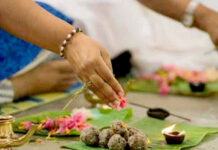















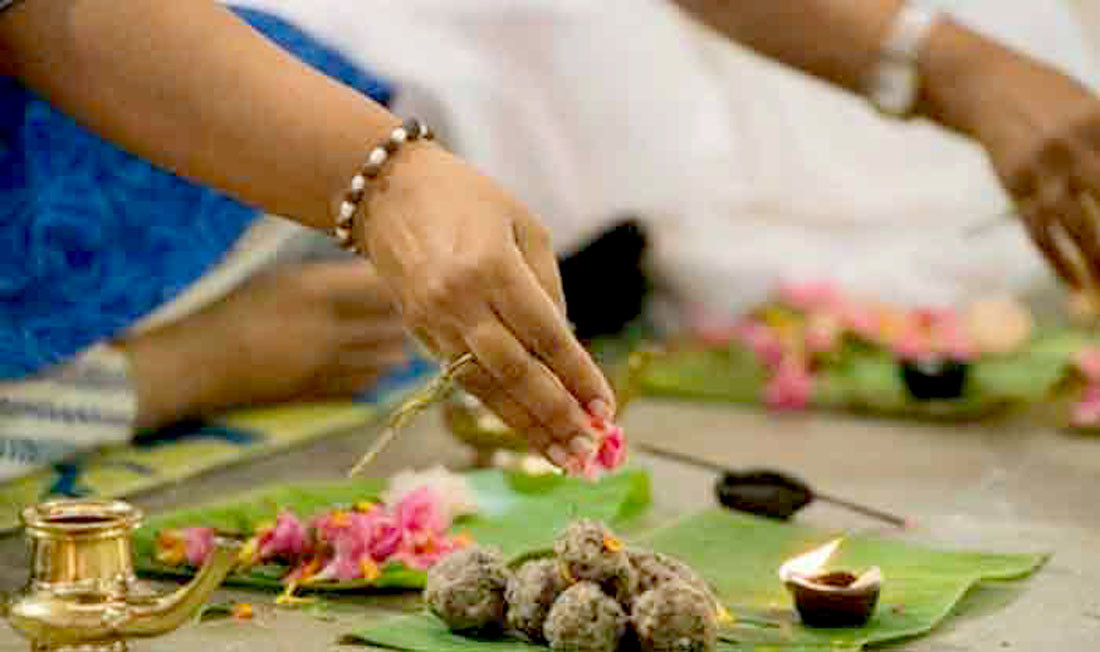

Pokhara, 27 September | Pitru Paksha, also known as Sohra Shraddha or the sixteen-day period of ancestral rites, has begun today according to Hindu tradition. Observed from the first day of the dark fortnight of Ashwin until the first day of the bright fortnight, the period is traditionally dedicated to remembering and honoring deceased ancestors. During this time, family members perform rituals such as tarpan, offering of sacred water, pindadan, offering of rice balls, and sidadan according to the lunar date on which their ancestors passed away. The period is widely known as Sohra Shraddha in Nepali society because ancestral rites are traditionally performed across sixteen lunar dates.
Pitru Paksha comes before major Hindu festivals such as Dashain and Tihar and is regarded as an important period for remembering deceased family members and fulfilling traditional responsibilities toward ancestors. Hindu tradition also holds that ancestors should be respectfully remembered before major celebrations, religious ceremonies, sacrifices and other significant family occasions. With the beginning of Sohra Shraddha, devotees are also visiting religious sites, including the Pashupati area in Kathmandu, to perform tarpan and pindadan in memory of their deceased relatives.
According to the traditional practice, Shraddha and tarpan are performed on the lunar date corresponding to an ancestor’s death. The sixteen dates associated with the observance include the various lunar tithis from Pratipada through Amavasya, with Purnima also included in the broader observance. People who do not know the exact date of a relative’s death traditionally perform the ritual on Panchami, Ashtami, Dwadashi or Amavasya during Pitru Paksha. Following the prescribed rituals, offerings of water, pindas, food and donations are made for the ancestors.
Tarpan involves offering sacred water in the name of deceased ancestors, traditionally using items such as kusha grass, barley, sesame seeds, flowers, sandalwood and Panchamrit. Traditional texts prescribe different times for different forms of Shraddha. Ekoddista Shraddha is generally performed around midday, Parvana Shraddha during the afternoon and Abhyudayika Shraddha in the morning. Although householders are traditionally encouraged to perform Shraddha at home, people living in rented accommodation in urban areas may perform the rituals at a nearby pilgrimage site, river, temple or sacred Tulsi shrine.
The significance of Pitru Paksha and ancestral rites is described in Hindu scriptures and traditional literature, including the Garuda Purana, Vishnu Purana and Mahabharata. According to religious belief, ancestors are believed to visit the earthly realm during this period and receive offerings made by their descendants with devotion. It is traditionally believed that sincere performance of tarpan, pindadan, Shraddha, food offerings and donations brings satisfaction to ancestors and helps descendants fulfill their ancestral obligations. Such observances are also traditionally associated with spiritual purification, family well-being, prosperity and blessings for the continuation of the family lineage.