















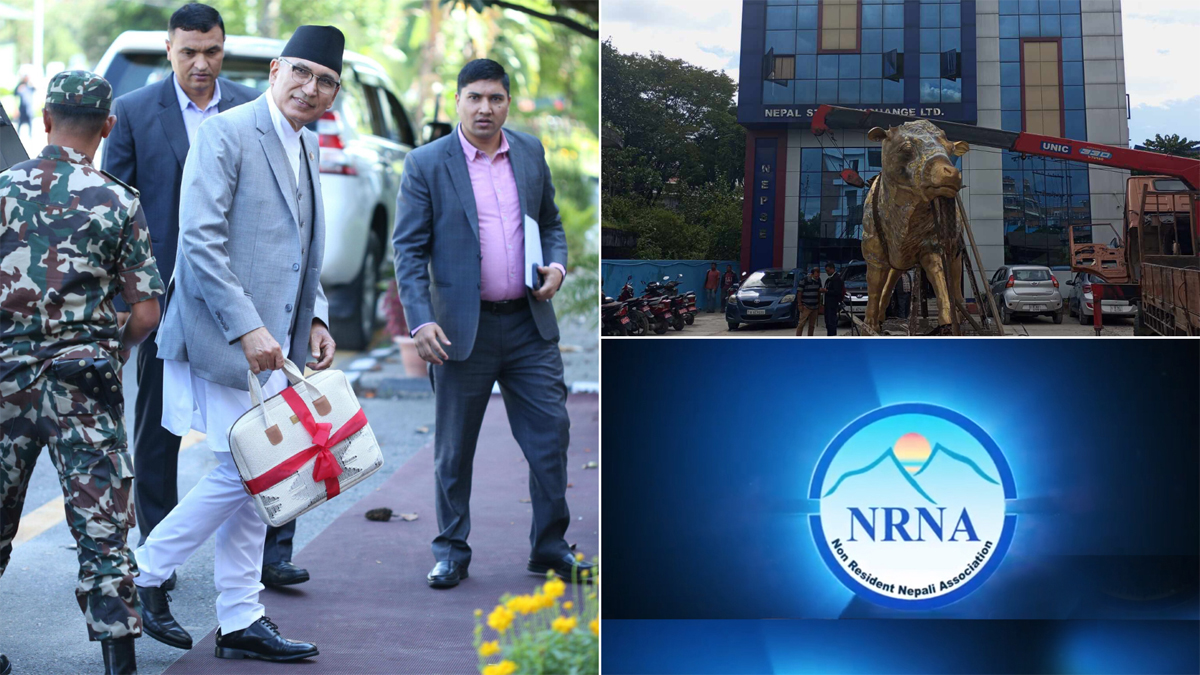

Pokhara, 6 June: The Government of Nepal, through its fiscal budget for the year 2082/83, has introduced a significant provision allowing Non-Resident Nepalis (NRNs) to trade in the secondary share market. If this arrangement is effectively implemented, NRNs will gain direct access to invest and trade on the Nepal Stock Exchange (NEPSE), marking a major shift in the country’s capital market policy.
This move aligns with broader economic reform initiatives, particularly efforts to attract foreign investment by simplifying legal and regulatory frameworks. The recommendation to provide NRNs with easier access to Nepal’s capital market had earlier been made by the High-Level Economic Reform and Recommendation Commission led by former Finance Secretary Rameshwor Khanal. The budget appears to reflect this strategic advice, aiming to mobilize NRN capital for national economic growth.
While most developing countries, including Nepal, have traditionally exercised caution in opening up their capital markets to foreign investors due to concerns over financial volatility and exchange rate stability, this policy shift represents a more open approach. The Nepal Securities Board (SEBON) had already laid the groundwork in December by amending its Securities Issuance and Allotment Guidelines, allowing NRNs to invest in joint investment companies. However, the new budget specifically facilitates access to the secondary market—an unprecedented step forward.
Experts have welcomed the decision, citing potential benefits such as increased market liquidity, expanded investor base, and better capital formation. Former NRB Director Narbahadur Thapa emphasized that encouraging NRN participation could strengthen both the primary and secondary markets, provided adequate safeguards are in place to manage sudden capital inflows and outflows. He stressed the need for a flexible yet managed approach to mitigate risks while attracting sustained investment.
Securities analyst Mukti Aryal echoed similar sentiments, noting that NRN involvement could significantly boost market participation and capital mobilization. Aryal pointed to India’s successful model where facilitating NRIs in stock trading led to substantial foreign investment inflows.
Despite the optimism, both experts highlighted the importance of developing effective mechanisms to prevent destabilizing effects, especially in the event of short-term speculative investments. Suggestions include restricting capital repatriation to maintain financial stability.
With average daily transactions in NEPSE currently under NPR 10 billion, the entry of NRN investors is expected to potentially double or triple market volume. This reform may not only energize Nepal’s financial markets but also help bring NRN knowledge, capital, and networks into the domestic economy, promoting long-term growth.