

















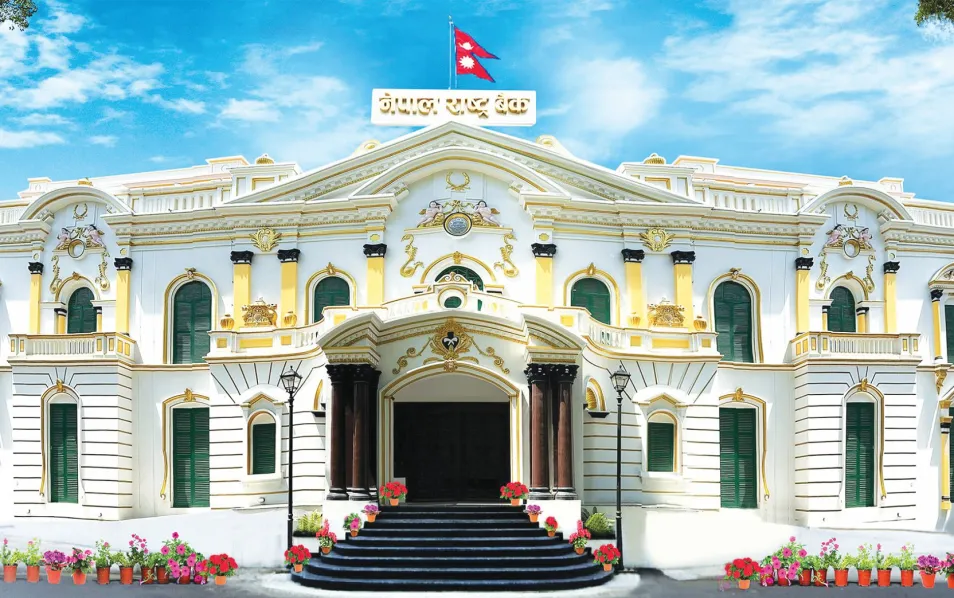

Pokhara, 16 February | Nepal Rastra Bank (NRB) has formally submitted a draft amendment to the Nepal Rastra Bank Act 2058 to the Ministry of Finance, introducing landmark changes to the central bank’s operational mandate and governance. A pivotal highlight of the draft is the provision allowing the central bank to provide overdraft loans to the government at the prevailing bank rate for a duration of up to six months during periods of fiscal shortfall. However, the draft sets a strict ceiling on this facility, stipulating that such loans cannot exceed five percent of the government’s total revenue from the preceding fiscal year. To maintain financial discipline, this revenue calculation excludes loans, foreign grants, and proceeds from the sale of assets. These overdrafts must be secured through negotiable debt instruments issued by the government, ensuring a formalized and transparent lending process with a maturity period capped at 180 days.
The proposed amendment significantly broadens the regulatory horizon of the central bank. Under the new draft, the NRB will have the authority to supervise not only banks and financial institutions but also their subsidiary companies, financial holding firms, and large-scale cooperatives. The draft introduces a legal definition for ‘Digital Banks,’ which operate without physical branches, and brings them under the direct supervision of the central bank. By redefining ‘financial institutions’ to include remittance companies and payment service providers, the NRB aims to mitigate systemic risks within the evolving fintech landscape. Furthermore, the draft seeks to streamline the central bank’s primary objective to focusing predominantly on price and financial stability, shifting away from its current multi-objective approach to ensure more targeted monetary policy implementation.
In terms of organizational structure, the draft proposes a more independent board of directors. It suggests increasing the number of non-executive independent directors to five within the existing board structure, which also includes the Governor, Deputy Governors, and the Finance Secretary. This move is expected to minimize direct political interference and enhance professional integrity. The criteria for the appointment of the Governor and directors have also been heightened, requiring at least ten years of high-level professional experience in international financial institutions or senior government positions. Additionally, the draft clarifies the Governor’s role as an executor of policy rather than just a creator. Other significant changes include a mandatory requirement to unveil the annual monetary policy within 15 days of the start of the fiscal year and a provision for the NRB to act as a ‘lender of last resort’ for up to six months to prevent systemic banking collapses.