






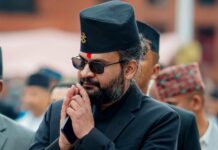


Pokhara, 20 February | As the electoral clock ticks toward the upcoming polls on March 5, the political landscape of Dhanusha-4 has turned into a high-stakes battleground featuring a historic rivalry. The spotlight remains firmly fixed on CPN-UML Deputy General Secretary Raghubir Mahaseth and former Nepali Congress Joint General Secretary Mahendra Yadav, who are facing each other for the third consecutive time. While the race includes a crowded field of 37 candidates, including Rajkishore Mahato of the Rastriya Swatantra Party and representatives from Janamat Party and JSP Nepal, the primary narrative continues to revolve around these two political heavyweights. Both leaders are considered indispensable pillars of their respective parties in the Madhesh province, wielding significant influence and access to the central leadership in Kathmandu.
Raghubir Mahaseth, a trusted confidant of UML Chairman KP Sharma Oli, anchors his campaign on a platform of tangible physical infrastructure development, claiming that his tenure as a minister and lawmaker brought unprecedented changes to the region’s roads and bridges. Conversely, Mahendra Yadav, a loyalist of NC President Sher Bahadur Deuba, argues that Mahaseth’s eight-year dominance has failed to deliver genuine social progress or address the basic needs of the rural poor. The psychological weight of the 2022 election hangs heavy over this contest, where Mahaseth secured a victory by a razor-thin margin of just 124 votes. This minuscule difference has energized the Congress camp, which believes that a slight shift in voter sentiment, bolstered by the rising influence of Gagan Thapa within the party, could finally tilt the scales in their favor.
However, the path to victory is fraught with contemporary challenges for both sides, as they must navigate shifting regional sentiments and controversial national rhetoric. Mahaseth finds himself on the defensive regarding the UML’s perceived “immature” maneuvers in the Madhesh provincial government and Chairman Oli’s recent comments about traditional fuels like dried cow dung (guitha), which resonated negatively among rural voters. Meanwhile, both candidates are struggling to connect with the ‘Gen Z’ demographic and new political forces that are challenging the traditional binary of Nepali politics. While old issues like federalism and identity remain in the background, the immediate focus has shifted to governance, local accountability, and the ability to adapt to a changing political climate. Whether Mahaseth maintains his fortress or Yadav finally breaks the losing streak will be determined by the verdict of over 128,000 voters, marking a definitive chapter in the political history of Dhanusha.