
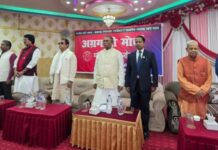










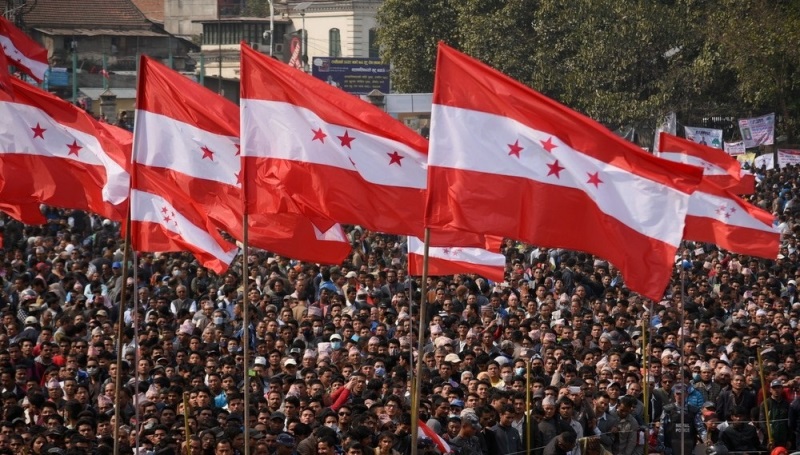

Pokhara, 7 August| Nepali Congress General Secretary Bishwa Prakash Sharma has called for the party’s 15th General Convention to be held before Mangsir, stressing that the convention should take place despite the challenges and disagreements within the party. Addressing the meeting of the Nepali Congress Central Working Committee, Sharma said the party must find a way to conduct the convention within the proposed timeframe by bringing different factions together.
Sharma also publicly declared his commitment to supporting General Secretary Gagan Thapa for the party presidency. He said he was determined to make Thapa the next party president with 71 percent of the votes, rather than merely securing a simple majority. His statement has added momentum to the ongoing discussions within the Nepali Congress over its future leadership and the possible political alignments ahead of the convention.
“ We have to hold the 15th General Convention before Mangsir. We are committed to bringing Gagan Thapa to the presidency with 71 percent of the votes, not just 51 percent,” Sharma said while addressing the central committee meeting.
Sharma argued that the party should not allow political or organizational difficulties to prevent the convention from taking place. According to him, disagreements and differences of opinion are natural within a democratic political party, but they should be addressed through institutional discussions and established party procedures. He emphasized that the general convention should serve as the main democratic platform for leadership selection, policy discussions and organizational reform.
The Congress vice president also criticized a recent gathering organized by a dissatisfied faction within the party. He described the gathering as a “second condemnation conference,” suggesting that repeated criticism and accusations against the party leadership would not contribute to strengthening the organization. Sharma referred to earlier criticism made by dissatisfied leaders against the party establishment during an event organized to mark the anniversary of the death of party founder B.P. Koirala.
According to Sharma, if the latest gathering also becomes an occasion for continuing similar criticism, it would do little to help the party. Instead, he suggested that internal differences should be addressed through constructive political dialogue and the party’s formal mechanisms. His comments reflect the continuing tension between different factions within the Nepali Congress as preparations for the next general convention gather momentum.
Sharma stressed the need to maintain organizational unity while allowing healthy competition for party leadership. He argued that competition for leadership is a normal part of democratic politics, but it should not turn into a prolonged cycle of accusations, factional disputes and organizational division. The upcoming convention, he said, should be used as an opportunity to strengthen the party, debate its political direction and reorganize its structure.
The timing and leadership of the 15th General Convention have remained important issues within the Nepali Congress. Various leaders and factions have been preparing for the convention and discussing possible leadership arrangements. Sharma’s call to complete the convention before Mangsir is therefore expected to intensify internal discussions over the party’s organizational calendar and future leadership.
His commitment to securing 71 percent support for Gagan Thapa also signals a potentially significant leadership contest. However, the final outcome will depend on the votes of convention representatives and the political alliances that emerge before the convention. While Sharma has expressed strong confidence in Thapa’s prospects, the internal balance of power within the party could change as the convention approaches.
Sharma’s remarks regarding the dissatisfied faction have also highlighted the broader challenge of managing internal disagreements within the Congress. The party leadership will now face pressure to address grievances while ensuring that preparations for the general convention continue without major disruption. How effectively the party handles these differences could influence both the convention process and the future leadership contest.
For now, Sharma has made two points clear: the 15th General Convention should be held before Mangsir, and he is committed to supporting Gagan Thapa for the party presidency with an ambitious target of 71 percent of the vote. Whether the party can achieve the proposed schedule and whether Thapa can secure such a decisive mandate will depend on the political developments and internal negotiations leading up to the convention.