








Pokhara, 25 September | In the wake of the tragic human casualties during the Gen-Z protests on August 23 and 24, the interim government has initiated preparations to investigate several political leaders. The primary targets of this investigation are former Prime Minister KP Sharma Oli and Home Minister Ramesh Lekhak, who are accused of giving the order to suppress the protests on the first day, August 23.
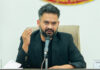
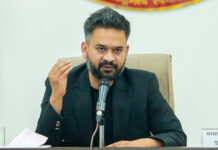
During a regular press conference held at Singha Durbar to announce cabinet decisions, Minister of Communication and Information Technology Jagdish Kharel confirmed that the state agencies had already begun their work. When asked by a journalist whether the government was moving forward with a plan to seize the passports of some leaders, Minister Kharel responded, “What you have heard is close to the truth. In this matter, the state’s agencies are doing their work. The Prime Minister also said in his address to the nation on Thursday that no culprit would be allowed to escape.”
A high-level inquiry commission, led by former Justice Gauri Bahadur Karki, has already been formed to investigate the incident. The interim government has held preliminary discussions with the commission, and official action is expected to commence after the commission members are sworn in. The government’s push for action follows pressure from Kathmandu’s Mayor, Balendra Shah, and his associate Sudan Gurung, who have both been vocal in their demands for legal action against the former prime minister and home minister for their roles in the protest suppression.
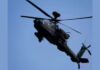
The investigation into the political leaders comes amid widespread public outrage over the government’s handling of the protests. Following the deaths of 19 people on August 23, Home Minister Lekhak resigned on the same day. Former Prime Minister Oli followed suit on August 24 before leaving Baluwatar in a military helicopter. He later expressed sorrow over the loss of life and property but denied that his government had ordered the shooting, suggesting the possibility of infiltration.
Separately, the investigation has expanded to include Nepali Congress President Sher Bahadur Deuba and former Energy Minister Deepak Khadka. This decision follows the discovery of large amounts of burnt cash at their residences, which were destroyed by protestors. The Department of Money Laundering Investigation and the Central Investigation Bureau of Nepal Police have collected evidence from both houses. Although Deuba’s secretariat has denied the claims of a “money tunnel” and burnt notes, stating they were fabricated to defame the party, two district presidents of the Nepali Congress raised the issue during a virtual party meeting, as confirmed by General Secretary Bishwaprakash Sharma.