


















Pokhara, 6 September | The devastating flood that struck the Rasuwa region two weeks ago has triggered renewed concern about emerging forms of disasters in the Himalayan region. The flood caused extensive destruction from the Timure border area of Rasuwa to Bidur and Devighat in Nuwakot, resulting in major human and physical losses and severely damaging several hydropower projects. According to the information available, hundreds of people connected to hydropower facilities are feared trapped or missing in tunnels and affected project areas. Experts have increasingly compared the nature of the disaster with the catastrophic Chamoli flood that occurred in India’s Uttarakhand state five years ago.
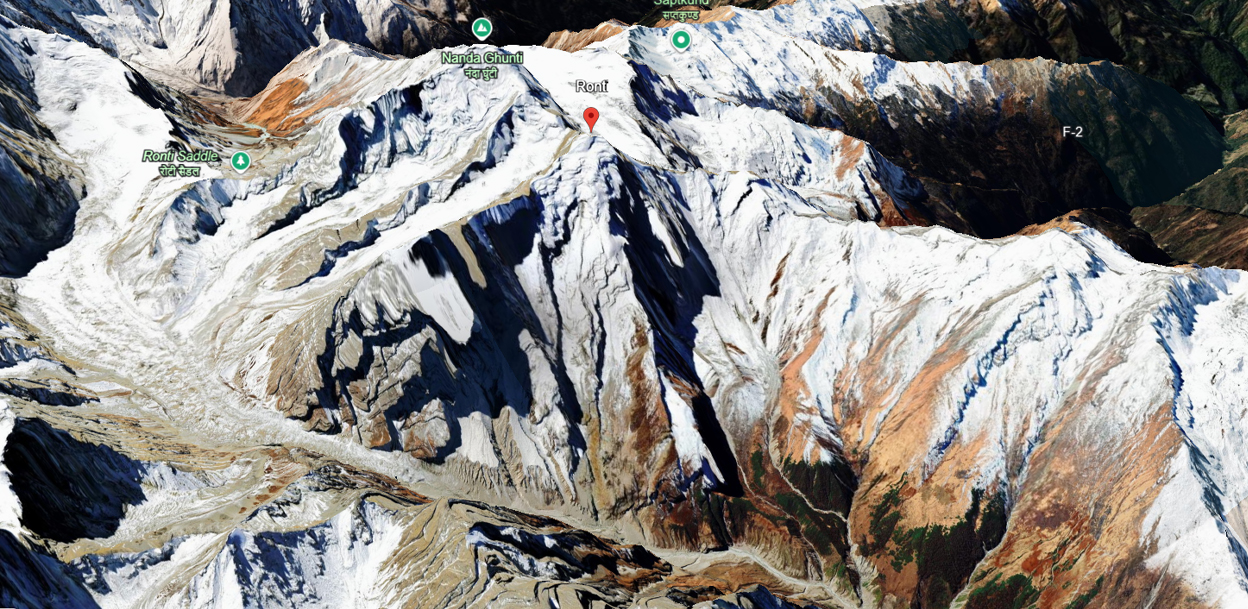
The Chamoli disaster occurred on 7 February 2021 near the Nanda Devi mountain region, when a massive mass of rock and ice collapsed from a high Himalayan slope. The resulting flood caused the death or disappearance of around 300 people and damaged four hydropower projects. Initial speculation suggested that a glacial lake outburst might have triggered the disaster. However, satellite data later indicated that the event was primarily associated with a massive rock and ice avalanche rather than a conventional glacial lake outburst flood.
Experts studying the two disasters have identified several similarities in their overall characteristics. In the Chamoli event, a huge mass of rock and ice descended rapidly from the mountain, generating enormous frictional energy. This energy caused a large quantity of ice and snow to melt quickly, contributing to an extremely powerful flood. Research also indicated that debris temporarily blocked the Rishiganga River before the temporary barrier failed, sending a destructive surge downstream.
A similar process is being examined in relation to the Rasuwa disaster. Preliminary analyses suggest that a massive volume of rock and ice collapsed from the northern side of the Langtang-Lirung region. Although detailed scientific investigations are still underway, experts believe the scale of the collapse in Rasuwa may have been considerably larger than the one recorded near Nanda Devi. Some preliminary estimates suggest that an enormous volume of rock, ice and other debris was involved in the Himalayan slope failure.
Temperature changes and environmental conditions have also become important areas of investigation. Studies of the Chamoli disaster identified unusual temperature conditions and significant changes in snow cover in parts of Uttarakhand. Similarly, data from the Langtang region has shown temperatures above long-term averages in recent periods. Researchers have not concluded that climate change alone directly caused either disaster, but they have suggested that rising temperatures, changing permafrost conditions and instability in high mountain environments may contribute to such events.
The Rasuwa and Chamoli disasters have also raised questions about the traditional approach to Himalayan disaster preparedness. For many years, concern has largely focused on glacial lake outburst floods, commonly known as GLOFs. However, recent events demonstrate that destructive floods can occur even without heavy rainfall or the bursting of a glacial lake. Scientists have increasingly used terms such as glacier collapse, ice-rock avalanche and landslide cascade to describe such complex disaster processes. Some sudden floods occurring under clear weather conditions are also being described as “blue sky floods.”
The geographical impact of the Rasuwa flood appears to have been particularly extensive. While the Chamoli disaster affected areas approximately 60 kilometres downstream from its source, the Rasuwa flood reportedly caused damage across a much wider corridor, extending from Rasuwagadhi towards Galchhi and affecting infrastructure over an estimated distance of around 200 kilometres. The scale of destruction has highlighted the vulnerability of settlements, transportation networks and hydropower infrastructure in Nepal’s fragile Himalayan landscape.
Experts now argue that Nepal must rethink its approach to disaster monitoring and early warning systems in high mountain areas. Monitoring only glacial lakes and river levels may no longer be sufficient. Greater attention is needed for unstable mountain slopes, glacier movement, ice-rock formations and other rapidly changing Himalayan conditions. Advanced monitoring technologies may help identify risks, but predicting exactly where and when a massive mountain collapse will occur remains extremely difficult. The Rasuwa disaster has therefore delivered a serious warning that Himalayan research, risk assessment and early-warning strategies must be redesigned to address a wider range of emerging mountain hazards.