















Pokhara, 8 September | Questions over accountability and justice have intensified as investigations into excessive use of force, civilian deaths and subsequent violent incidents linked to the Gen Z movement appear to have made little visible progress over the past five months. The investigation involving former Prime Minister KP Sharma Oli and former Home Minister Ramesh Lekhak was initiated with significant public attention, but uncertainty remains over the collection of evidence and the overall direction of the criminal investigation.
Oli and Lekhak were arrested in the early hours of 14 Chait, 2082, shortly after Prime Minister Balen Shah took the oath of office. They were taken into custody during an investigation related to allegations that excessive force had been ordered during the Gen Z movement, resulting in the deaths of teenagers and other civilians. After remaining in custody for around 13 days, the two were released following an order of the Supreme Court. The court ordered that their detention period should not be extended, but it did not direct authorities to stop the investigation. They were subsequently released on recognizance.
However, according to the information provided, the investigation has since shown little progress. Authorities have not effectively moved forward with taking statements from other individuals connected to the incident, gathering additional evidence or examining relevant documents. As a result, important questions remain unanswered regarding the extent of involvement of those accused, the strength of available evidence and the level of legal responsibility that should be determined.
A commission of inquiry led by former judge Gauri Bahadur Karki concluded that citizens had lost their lives due to negligence involving those in political leadership and recommended that criminal cases be pursued. The National Human Rights Commission also recommended departmental action and investigations against several security and administrative officials in connection with alleged human rights violations. Despite these recommendations, rights advocates have expressed concern that meaningful implementation has not followed.
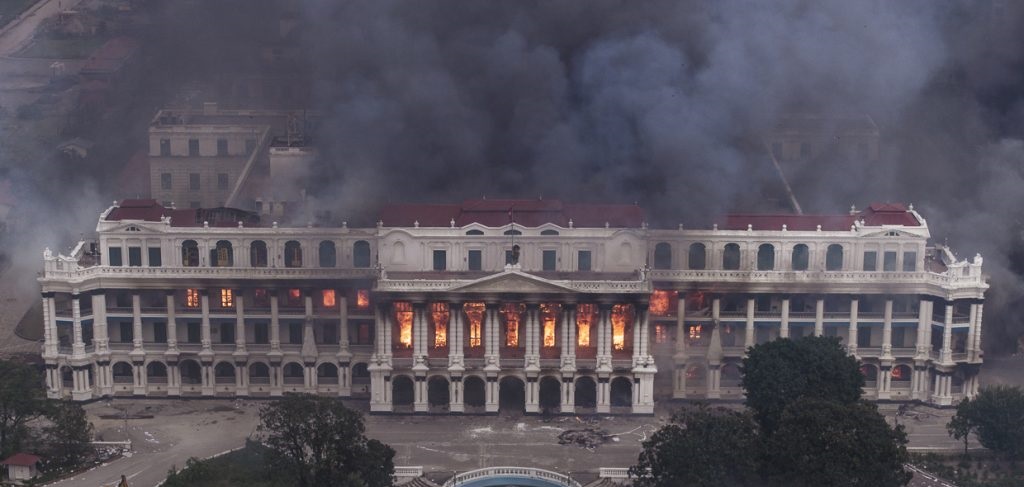
The investigation into violence that followed on 24 Bhadra has also failed to reach a clear conclusion. Incidents involving arson and attacks on the residences of political leaders, police facilities and government institutions remain subjects of concern. Although action was reportedly taken against a limited number of people involved in attacks on security personnel, investigations into more serious incidents, including arson at Singha Durbar, the Supreme Court and other public institutions, have not progressed as expected.
Human rights advocates have warned that Nepal must avoid repeating a long history in which investigation commissions have submitted reports but their recommendations have remained unimplemented. They argue that an impartial and comprehensive investigation into the suppression of the Gen Z movement, civilian deaths and subsequent violence is essential to establish responsibility and strengthen public confidence in the rule of law.