











Pokhara, 23 February | As the House of Representatives election scheduled for March 5 approaches, the political atmosphere in Lalitpur Constituency No. 2 has become increasingly intense. Despite the visible campaigning by various political parties, the local voters exhibit a blend of skepticism and high expectations. Leshman Bajracharya, a resident of Patan who has cast his vote in five previous elections, notes that while candidates frequently win and go to parliament, their voices regarding the actual concerns of the people remain largely silent. For Bajracharya and many others in this urban constituency, the primary concern this time is not just local developmental issues but the overall direction in which the country is heading. While candidates from both established and emerging parties are knocking on doors with various agendas, the residents seem more preoccupied with their daily struggles and the long-term stability of the nation.
In the historic settlement of Patan, Ishwari Tandukar, who runs a small grocery store, shares a similar lack of enthusiasm. Observing a temple under construction for years and struggling with drainage issues during the rainy season, she feels that political leaders are often disconnected from the grassroots reality. She mentions that many candidates pass through the streets in vehicles playing loud music, yet they remain strangers to the common people. This sentiment is echoed by Bikas Shahi, an entrepreneur whose business is located in Lalitpur-2. Shahi expresses deep confusion over whom to support, analyzing that the new parties have failed to provide a robust alternative while the older parties have lost credibility due to their past track records. Shahi’s frustration stems from Nepal’s increasing dependence on imports, particularly the vulnerability during border blockades, and he suggests that the future leadership must focus on self-reliance and indigenous production to prevent the country from further crisis.
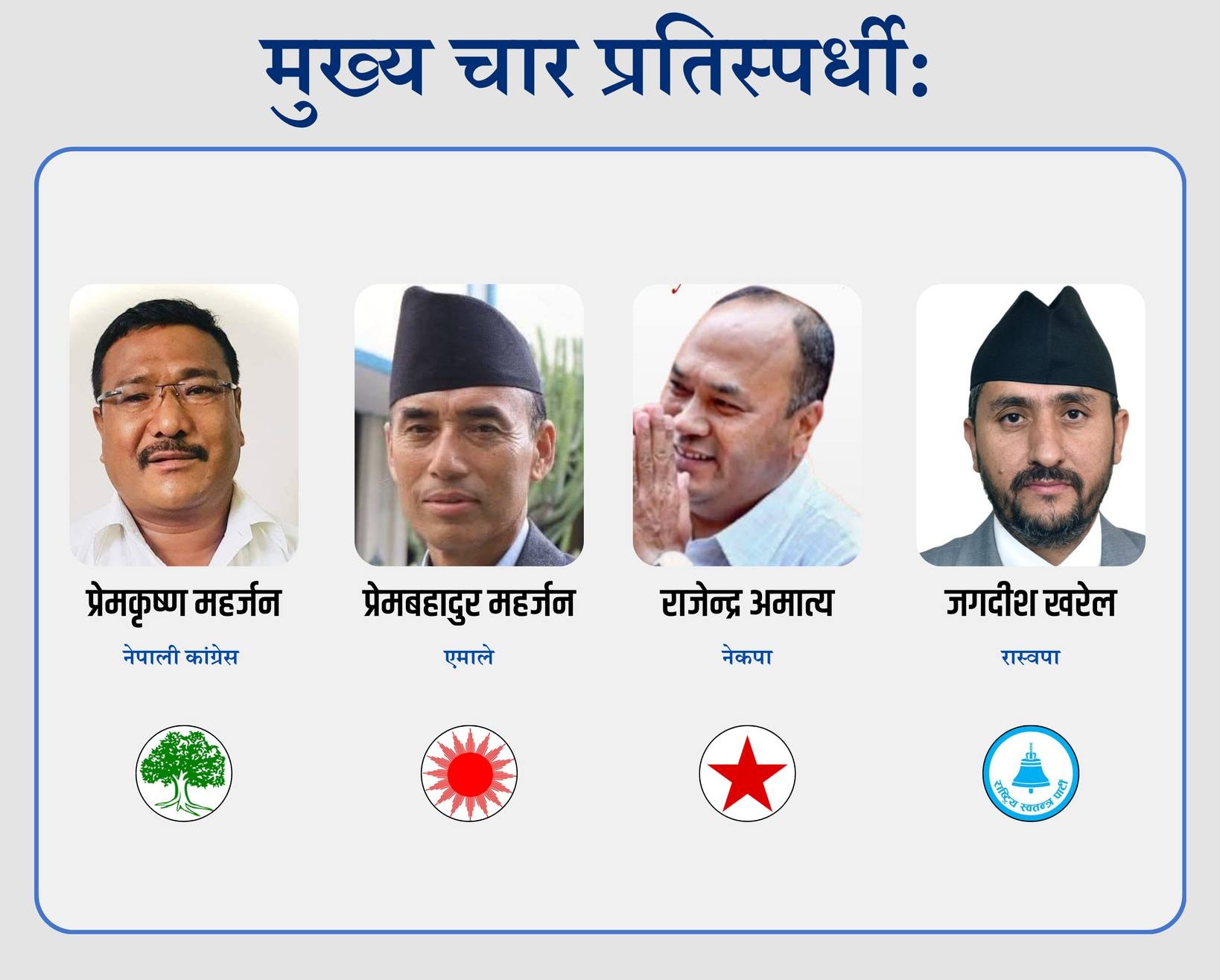
The electoral math in Lalitpur-2 is complex, with 23 candidates in the fray, including 16 from various parties and 7 independents. While the CPN-UML has historically dominated this region, with Prem Bahadur Maharjan winning in the 2022 elections, the current dynamics show a significant shift. Local businessperson Uttamratna Shakya believes that the discrepancy between the words and actions of political leaders led to the mass protests seen in early September. Furthermore, residents like Raju Panthi are emphasizing the need for the next representative to have a clear vision for stopping the massive youth brain drain. Panthi warns that if the working-age population continues to flee the country at this rate, Nepal will face an existential crisis within a decade. Therefore, voters are demanding policies that are youth-friendly and conducive to business growth. With 89,082 registered voters and a slight majority of female voters, the competition between traditional heavyweights and emerging activists like Rajaram Tandukar of the Ujyalo Nepal Party is expected to be fierce, making this constituency one of the most watched in the upcoming elections.